02 · Panch Kedar · Bugyal · Temple · Summit
A PILGRIMAGE THAT KEEPS CLIMBING
At Tungnath, worship and landscape are not separate experiences-the climb binds them together.
01
PANCH KEDAR
The Rudraprayag district’s official temple account records the religious tradition that after the Kurukshetra war, the Pandavas sought Lord Shiva’s forgiveness. Shiva avoided them and later manifested at five places that became known as the Panch Kedar.
In that tradition:
Kedarnath represents the hump, Tungnath the arms/hands, Rudranath the face/head, Madmaheshwar the navel/torso and Kalpeshwar the hair.
02
THE HIGH TEMPLE
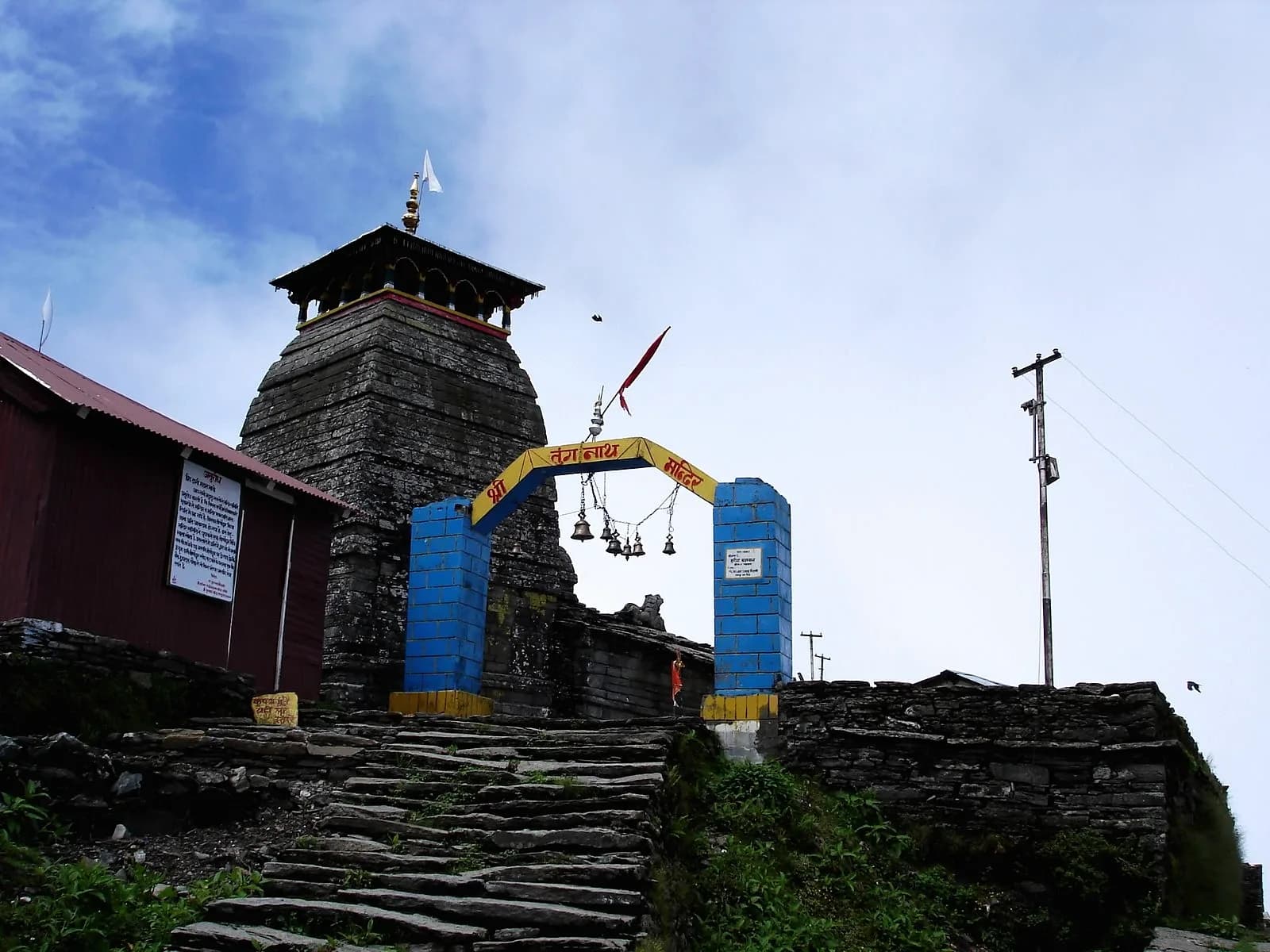
Rudraprayag district places the shrine at approximately 3,680 m on Chandranath Parvat. Uttarakhand Tourism and BKTC describe Tungnath as the highest Shiva temple. Rudraprayag District
The temple therefore carries two very different forms of significance.
For the devotee, it is a Panch Kedar pilgrimage.
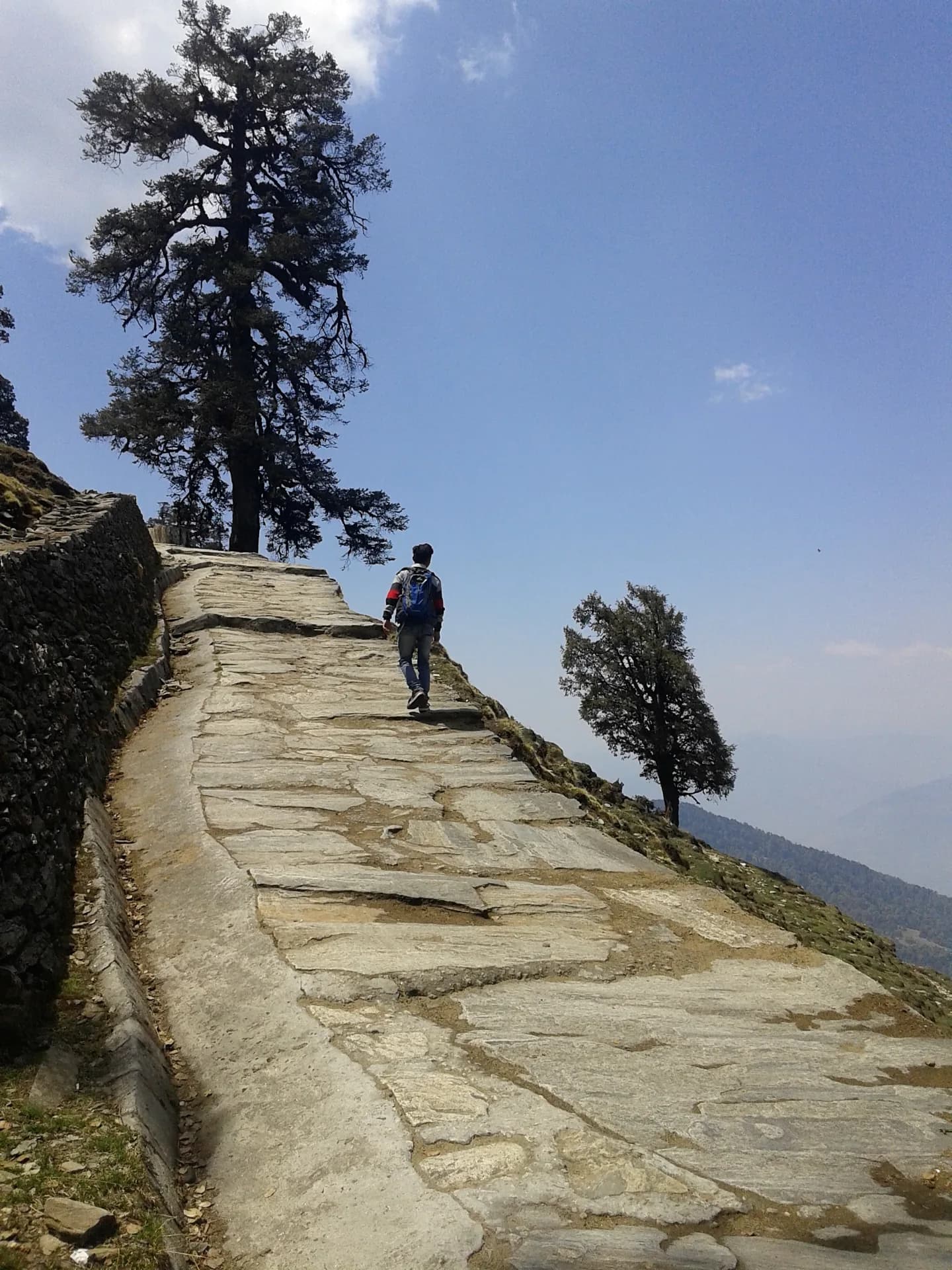
For the mountain traveller, it marks the transition from a relatively established trekking path to the more exposed climb toward Chandrashila.
For many visitors, those two experiences are the same journey.
03
CHANDRASHILA
Uttarakhand Tourism associates Chandrashila with religious traditions involving Lord Rama and Chandra, the Moon deity, and places the summit around 4,000 m. It describes views toward peaks including Nanda Devi, Bandarpunch, Chaukhamba and Kedar Peak.
The official longer trek itinerary names an even wider mountain panorama from the summit, including Nanda Devi, Trishul, Nandaghunti, Kamet, Dunagiri, Chaukhamba, Kedar Dome and sections of the Gangotri range.