
Back to Guide
Can AI Plan a North India Trip? Check Before Booking
LN Tourism PublicationNovember 16, 2026 7 min read
Facts checked on 16 November 2026 by LN Tourism Publication
An AI planner can sketch a North India route, but dates, long drives, attraction hours and hotel links need proof. See one supplied itinerary’s four checks and a practical way to repair it.
Can AI Plan a North India Trip? Check Before Booking
An AI travel planner can give you a useful first draft, but a tidy day-by-day schedule is not a booking. In one supplied North India test, the proposed return arrived after the traveller’s flight, hotel links carried the wrong week, and a long road leg was shortened on paper. Keep the trip idea. Check the calendar, roads, opening hours and actual inventory before paying.
The test record describes a couple who wanted Delhi, Agra, Jaipur and Rishikesh between 17 and 23 December 2026. They would land in Delhi at 19:00 on the 17th and depart from Delhi at 10:00 on the 23rd. They asked for no flights and no driving day longer than five hours. The promise in that request was simple: if all four cities could not fit, the planner should say so. The seven-day result was readable enough to feel finished. That feeling was the problem worth examining.

What was actually tested?
A pilot supplied for this article says the public Discover India AI Trip Planner was used on 15 November 2026. Its settings were December, one week, a couple and a comfortable budget, with Delhi, Agra, Jaipur and Rishikesh selected. The free-text request added the arrival and departure times, the no-flight rule and the five-hour driving limit. The record describes a seven-day answer with an estimated total of ₹84,000 and hotel links. That amount is an observed output, not a verified live price or an LN Tourism quote. Discover India discloses affiliate links on its planner page: https://discoverindia.info/plan/
The planner did do useful work. It retained the four requested cities, put them in a readable sequence and did not add a flight. Those are good starting points. The question is whether the sequence survives the traveller’s actual constraints.
Where did the seven-day plan first break?
At the return journey. The supplied output says Day 7 takes the couple from Rishikesh to Delhi, arriving around 18:00, and then suggests a hotel before a Day 8 morning departure. But the traveller’s Delhi departure is at 10:00 on 23 December. Counting from 17 December makes 23 December Day 7. An 18:00 arrival on that day is eight hours after the stated departure time. The extra hotel does not repair the missed flight; it silently creates an eighth calendar date.
This error needs no advanced travel expertise to spot. Write the arrival and departure times at the top of the itinerary and cross out all hours spent at the airport, collecting luggage, checking in and returning for the outbound flight. A seven-date plan is not seven full days. If the final day begins far from the departure airport, work backward from the reporting time, not forward from a hoped-for morning activity.
What did the booking links actually prove?
Less than their placement implied. The supplied pilot notes hotel search links with check-in on 30 November and check-out on 7 December 2026. The requested stay is 17-23 December. A link can be clickable, formatted and attached to a real hotel while still searching the wrong dates. It is not a reservation, a confirmed rate or evidence that the hotel has rooms for the intended nights.
Open every proposed hotel link and read the dates, occupancy, room type, cancellation terms and total price on the actual supplier page. Then check which city the traveller is supposed to sleep in each night. If the itinerary changes city order, the hotel search needs to change too.
How long was the road hidden inside one line?
The supplied output describes a Day 6 drive from Jaipur to Dehradun as 240 km and five hours, followed by another move to Rishikesh. MakeMyTrip’s Jaipur-Dehradun route page instead shows about 519 km and seven and a half hours. For the full Jaipur-Rishikesh leg, Uber Intercity lists an average 551 km while MakeMyTrip displays 575 km and a nine-hour estimate. The actual hotel address, route, departure time, traffic, breaks and weather can change the day. More important, the five-hour limit in the original request becomes impossible to satisfy by simply writing a smaller distance. Before booking, put every intercity leg into a live map using the real pickup and drop points. If one day breaks the limit, add a night, change the order, use a different transport mode if acceptable, or remove a destination.
Would the Jaipur visit have fit before closing?
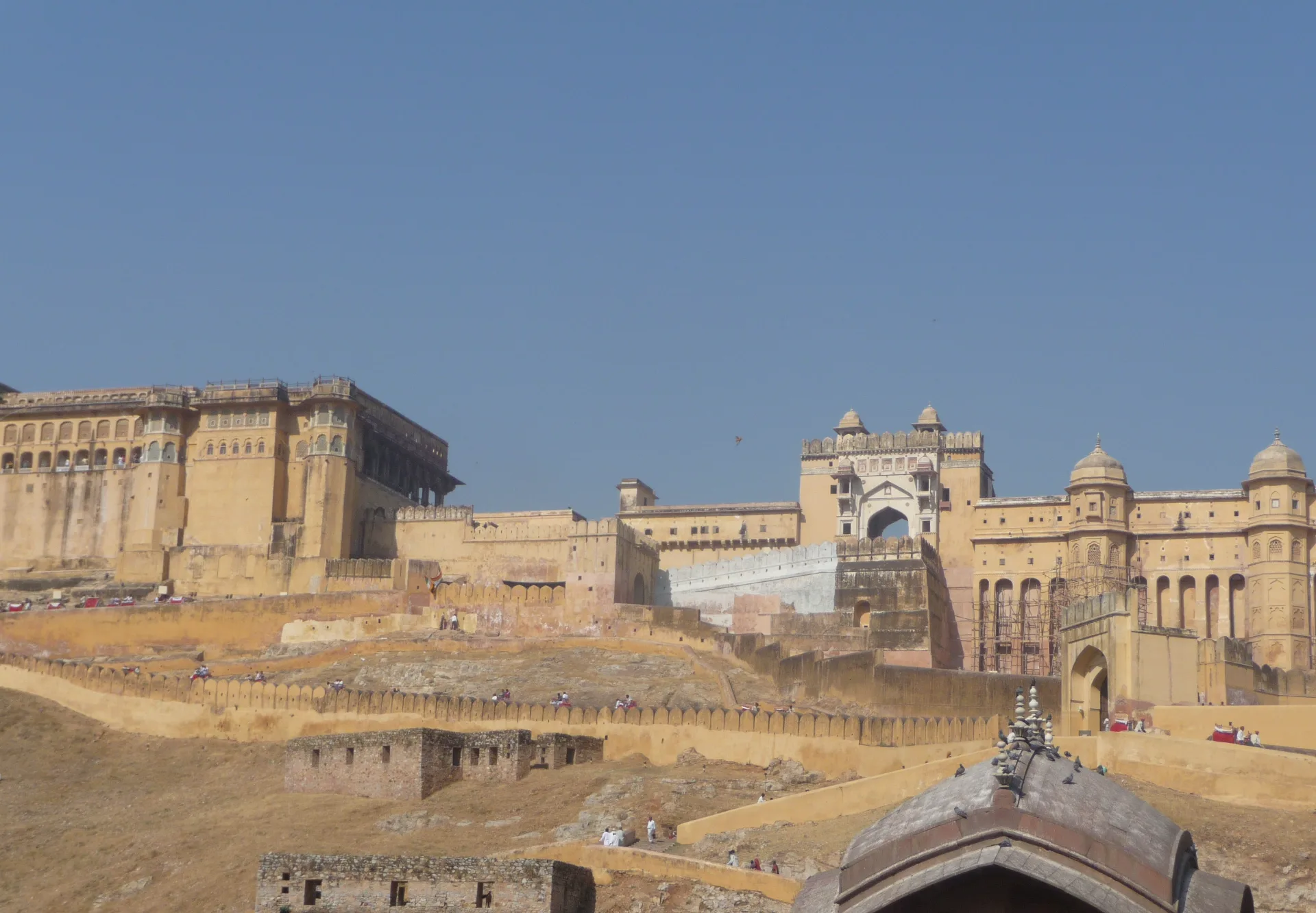
The supplied plan places an Amer Palace visit at 17:00 after Jaipur arrival and hotel check-in. Rajasthan Tourism lists Amer Palace hours as 08:00-17:30. That leaves roughly thirty minutes before the published close, before allowing for entry, security, movement through the site or any change to the day. A line labelled “visit” is not a meaningful visit simply because the gate is technically still open.
Official source checked 16 November 2026: https://www.tourism.rajasthan.gov.in/jaipur.html
Move Amer Palace to a protected morning or early afternoon. Keep the arrival evening for a modest nearby plan, or treat it as rest. Separately, the Taj Mahal is closed to general visitors on Fridays, according to the Archaeological Survey of India. If an AI itinerary assigns the Taj to a Friday, move Agra before reserving hotels.
The date test should happen before you argue about which monument deserves another hour.
Can the original trip still be saved?
Yes, but one of the constraints has to move. The cleanest repair for the couple’s stated dates is to keep Delhi, Agra and Jaipur, then return to Delhi before the final morning. Rishikesh becomes a separate trip. This is an editorial repair, not an operational itinerary or a confirmed set of hotel nights. It removes the longest extra branch and leaves the actual flight as the immovable end point.
If Rishikesh is the main reason to travel, protect time there and drop one or two heritage cities. A four-city route becomes more plausible only with extra nights, a different departure airport, a permitted longer travel day, or a transport change the couple accepts.
For the Delhi-Agra-Jaipur version, LN Tourism already has a separate guide that tests arrival time, the Taj Friday closure and the return transfer: https://www.lntourism.com/blog/golden-triangle-tour-package. Read that before converting the shortened idea into hotel nights.
What five checks turn an AI draft into a plan?
First, fix the calendar. Put real arrival, checkout and departure reporting times beside each day. Count usable hours and overnight cities. The final transfer must finish before the departure check-in window.
Second, verify each opening day and visiting window with the responsible authority. Weekly closures, seasonal rules and timed entry can overturn a neat route. The official Taj and Rajasthan Tourism pages are examples for this case; use the relevant authority for other trips.
Third, test every transfer with its exact start and end points. Compare road distance and plausible driving time, then add breaks and traffic allowance. A map estimate is still only an estimate, but it exposes impossible five-hour promises.
Fourth, open the booking links. Check dates, guests, room class, inclusions, taxes, cancellation rules and whether the result is a search page or a completed reservation. A generated link does not hold inventory.
Fifth, get a written scope for anything someone else is arranging. Identify who confirms hotels, vehicle, tickets and guides; what happens if a site closes or a transfer changes; and what costs are excluded. Ask for the revised day sequence after any edit, because a fix in one city can shift every following night.
A good second prompt is: “Keep my arrival and departure times fixed. List any day that exceeds five hours of driving. Name each overnight city. Remove a destination if the constraints cannot all fit. Mark unverified prices, opening hours and availability as unverified.” That prompt may expose conflicts sooner. It does not replace the five checks.
If you choose the shorter Delhi-Agra-Jaipur route, compare it with LN Tourism’s https://www.lntourism.com/services/domestic-tours/golden-triangle-tour page, then ask for a date-specific quote. Share your arrival and return times, group size, hotel preference and maximum driving hours. Ask the planner to show the overnight cities and written inclusions before you decide.


