
Back to Guide
Delhi to Auli & Mussoorie: Road Distances & Travel Tips
HARSHIT JAISWALSeptember 21, 2026 9 min read
There is a strange thing about planning a Himalayan trip. The first thing most of us search is usually a number.
“Delhi to Auli distance.”
“Delhi to Mussoorie distance.”
“Dehradun to Auli distance.”
“Rishikesh to Mussoorie distance.”
But the moment the trip becomes real, kilometres stop being the only question. A short mountain road can take longer than expected. A long highway drive can feel easy until the route begins following rivers and climbing through Garhwal. A destination that looks close on a map may need an early start, a planned halt or simply more patience than the number suggests.
So this guide does not treat distance as a standalone answer. It explains what those kilometres mean when you actually travel them - and how to plan the day around the people in the vehicle, the season and the road ahead.
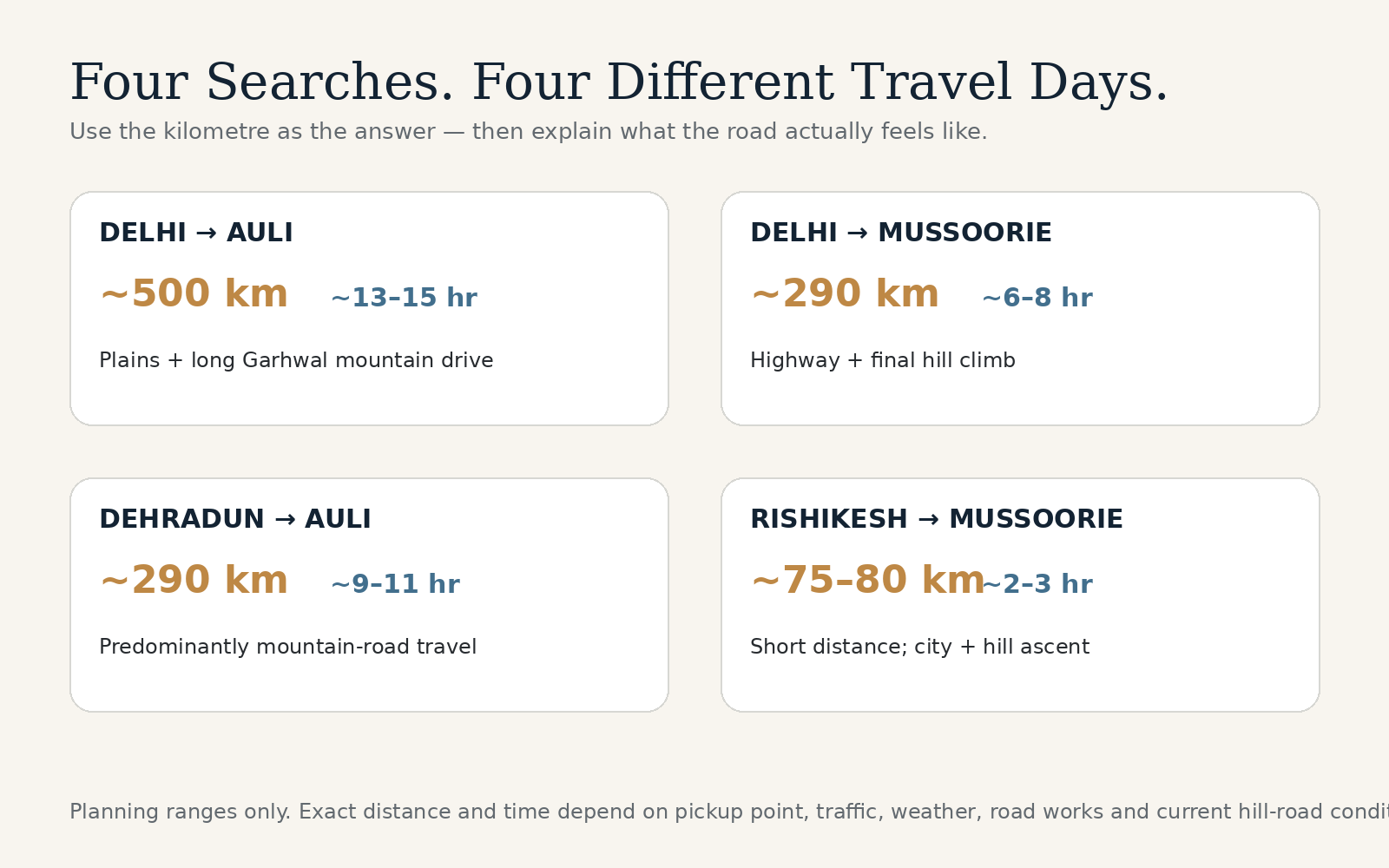
SEARCH SCENARIO 01 - THE LONG HIMALAYAN JOURNEY
Someone searching Delhi to Auli distance is rarely asking only for a kilometre count. They are usually trying to decide whether Auli can be reached comfortably in one day, whether the road becomes difficult after Rishikesh, and whether their family should break the journey.
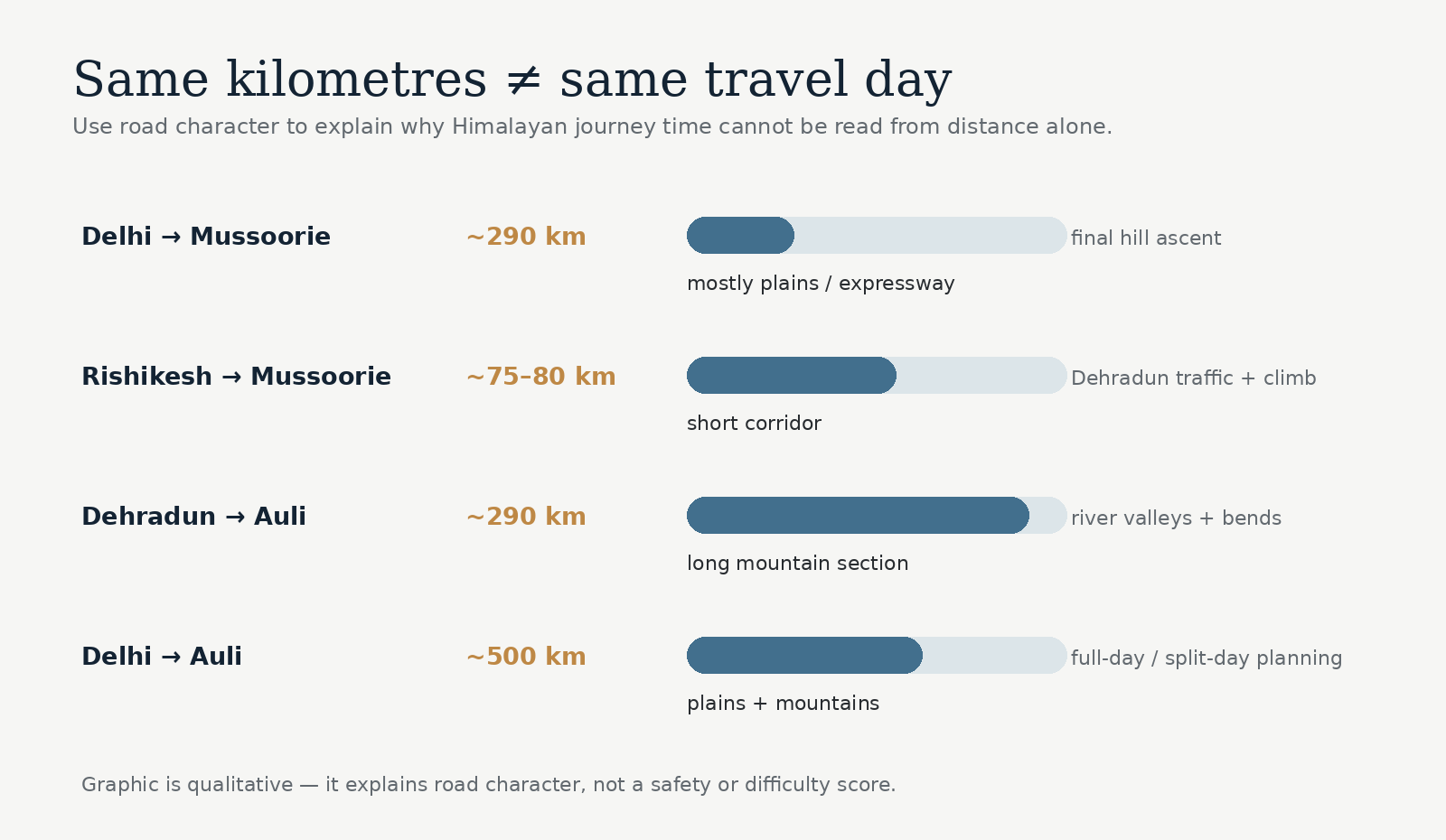
For planning purposes, the Delhi to Auli road journey is roughly 500 km, with the exact number changing according to the Delhi pickup point and the route used. A realistic road day is commonly around 13-15 hours when traffic, meal breaks and mountain driving are included. The important shift happens after Rishikesh: the journey stops behaving like a plains highway drive and starts following the Alaknanda corridor through the Garhwal hills.
|
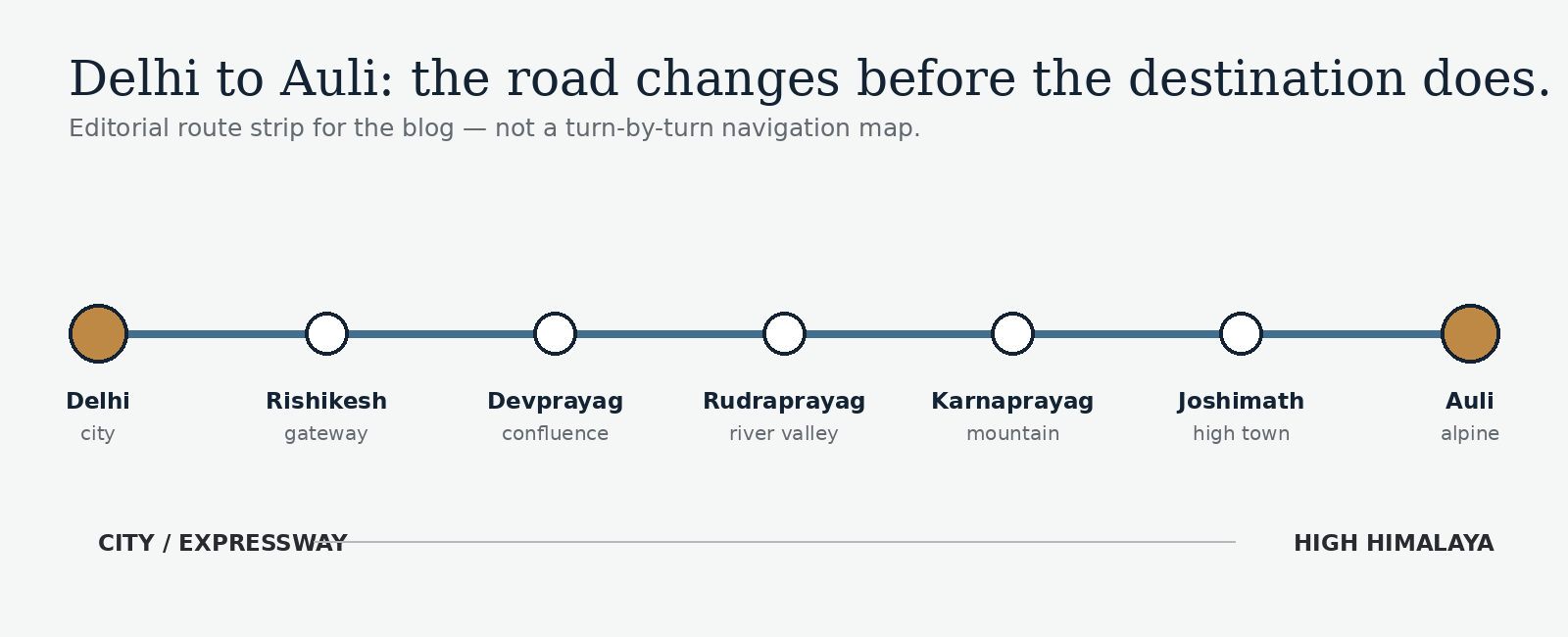
The broad route commonly runs through Delhi, Meerut, Muzaffarnagar, Roorkee, Rishikesh, Devprayag, Srinagar Garhwal, Rudraprayag, Karnaprayag, Chamoli, Joshimath and finally Auli. That sequence matters because the visual character changes repeatedly: city roads, open plains, the Ganga gateway, confluence towns, river valleys, steep mountain sections and finally the alpine landscape around Auli.
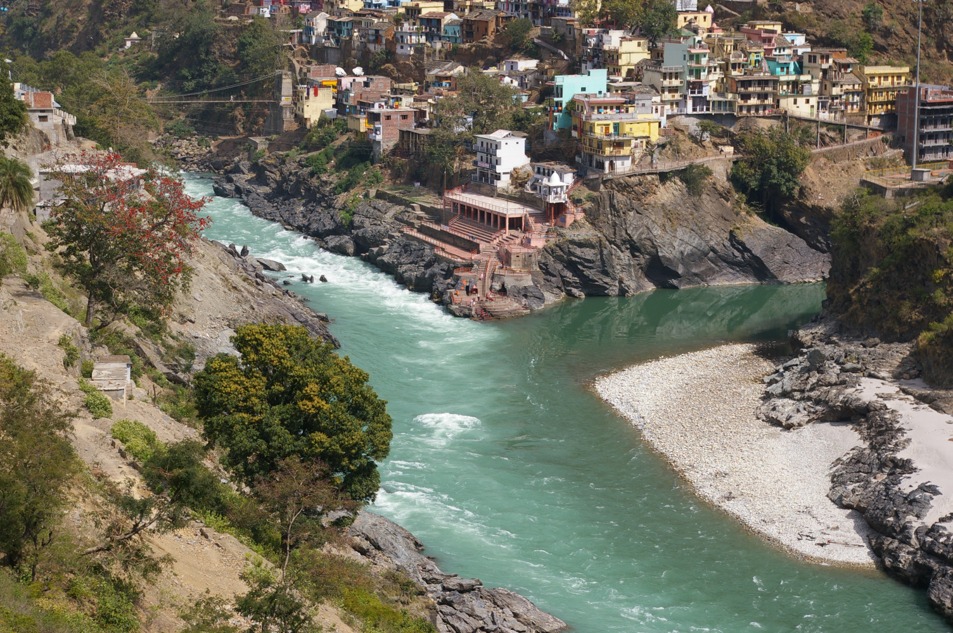
The first half of the trip is about covering ground. The second half is about reading the road. Mountain curves, town crossings, weather, road work, photography stops and daylight all affect progress. This is why a Delhi departure that looks comfortable on a navigation app can become tiring if the itinerary is built only around the fastest estimate.
For families, senior travellers, small children or anyone who prefers an easier day, the better plan may be to split the route with a halt around Rishikesh, Srinagar Garhwal or another suitable stop. A one-day run is possible for some travellers, but “possible” and “pleasant” are not always the same thing.
|
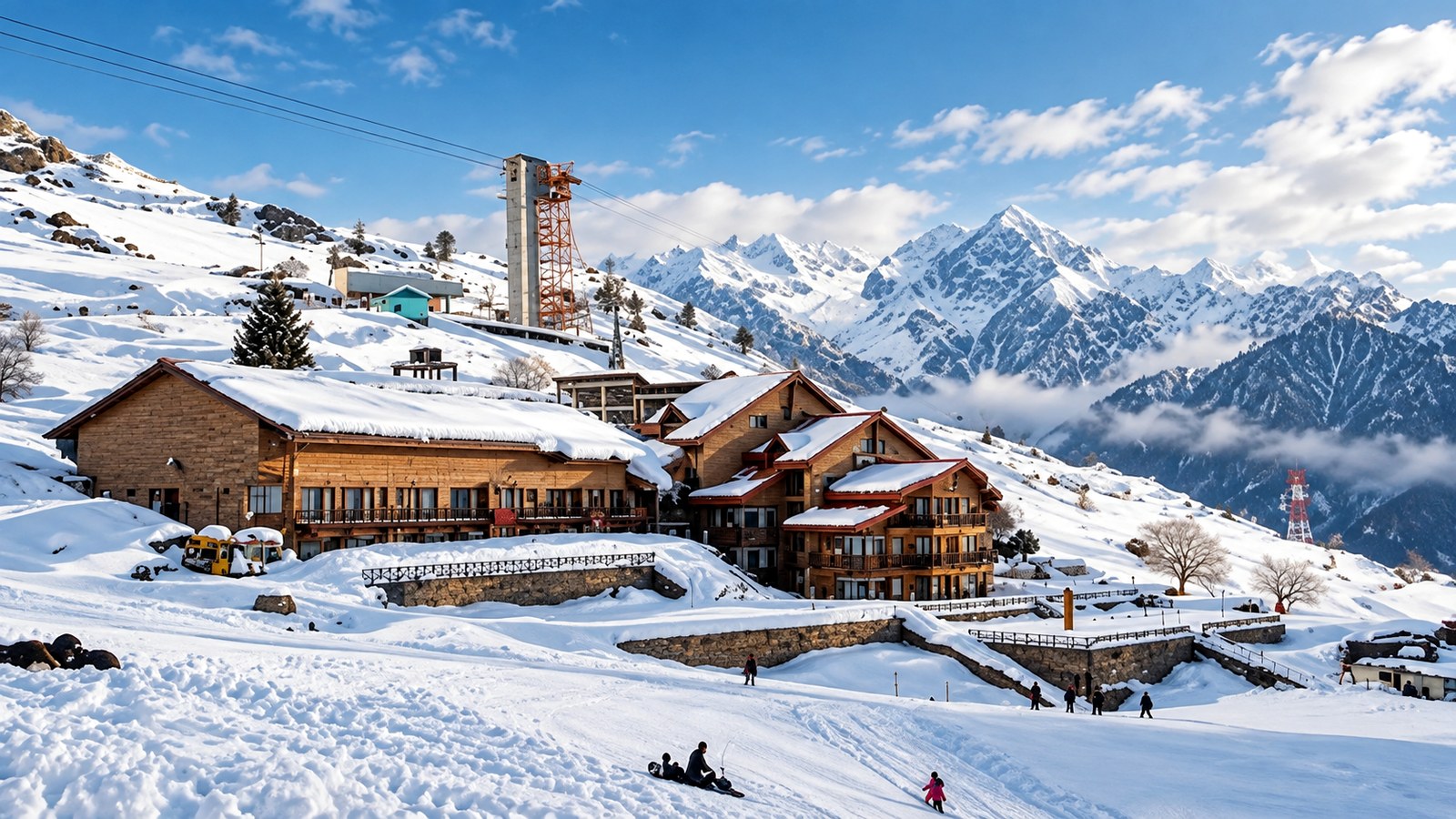
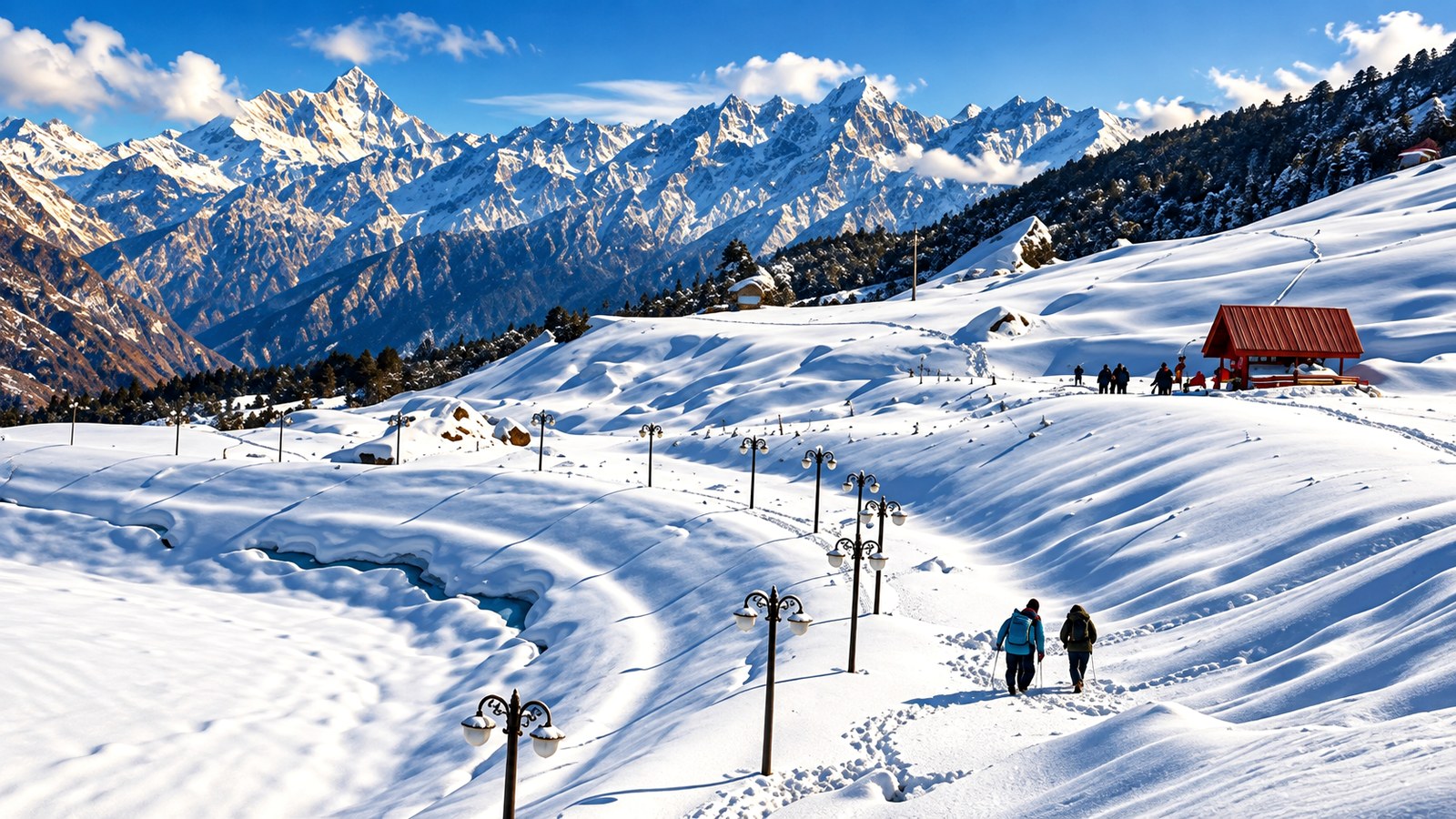
After hours of valleys and river roads, Auli feels visually different. The landscape opens, the snowline becomes part of the foreground in winter, and the journey begins to feel alpine rather than simply mountainous. The area is known for skiing, mountain views and its connection with Joshimath, and the final approach should be planned according to the season and current local conditions.
If your trip is primarily about winter snow, do not build the entire plan around an old photograph or a fixed “snow month.” Snowfall and road conditions vary. Check current weather and local access close to your travel date.
SEARCH SCENARIO 02 - THE SHORTER HILL ESCAPE
Now imagine a different traveller. They are in Delhi on a Friday, have two or three days, and want to wake up somewhere with cool air, hillside cafés, viewpoints and a road that feels like a getaway rather than an expedition. That is the real intent behind Delhi to Mussoorie distance.
The Delhi to Mussoorie road journey is commonly about 290 km. A practical travel window is around 6-8 hours depending on the exact starting point in Delhi, NCR traffic, breaks, Dehradun congestion and the final climb to Mussoorie. The broad corridor is
Delhi → Meerut → Muzaffarnagar → Roorkee → Dehradun → Mussoorie.
|
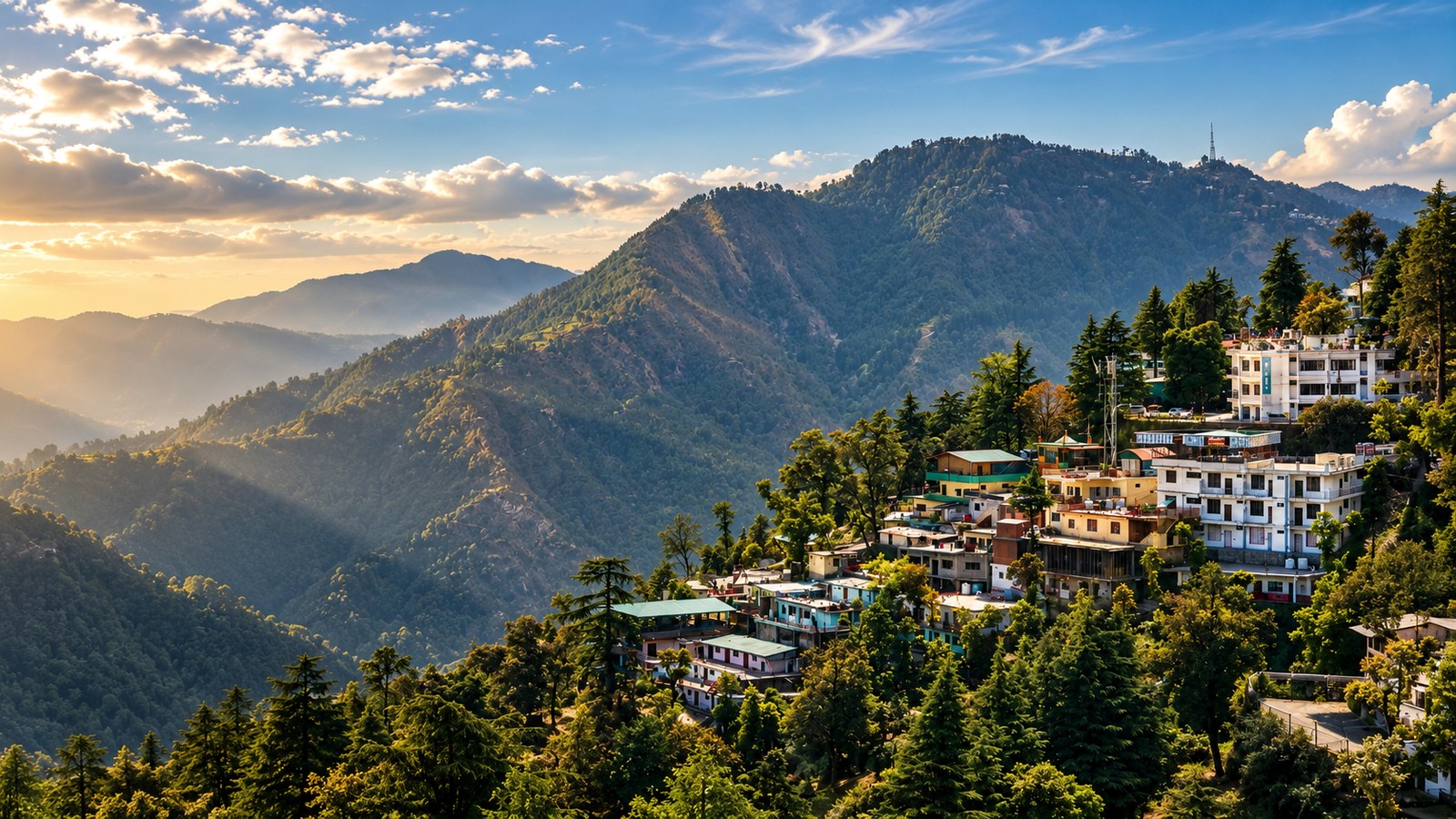
The plains journey effectively ends around Dehradun. From here, the trip becomes a hill drive. The District Dehradun tourism page places Mussoorie 38 km from Dehradun, which explains why the final stretch can take a disproportionate amount of time compared with the kilometre figure: the road climbs, bends and becomes more sensitive to tourist traffic.
This is also why an early Delhi departure works well. Reaching Dehradun before the day becomes congested gives you a more relaxed climb and more usable time in Mussoorie.
SEARCH SCENARIO 03 - ALREADY IN UTTARAKHAND
The search intent changes completely when Dehradun becomes the starting point. The traveller may have flown into Jolly Grant Airport, arrived by train, spent a night in the city or deliberately chosen Dehradun as the first stop before heading deeper into Garhwal.
The Dehradun to Auli distance is roughly 290 km by road, depending on the final approach and exact pickup location. Uttarakhand Tourism’s Auli itinerary lists Dehradun to Joshimath at about 275 km and around 9-10 hours by car; Auli is reached beyond Joshimath. This is the clearest example of why mountain distance and highway distance should never be treated as the same thing.
The broad journey runs Dehradun → Rishikesh → Devprayag → Srinagar Garhwal → Rudraprayag → Karnaprayag → Chamoli → Joshimath → Auli. Once the route moves beyond Rishikesh, the majority of the day is mountain driving. That means bends, slower average speeds, meal breaks, confluence towns and changing conditions matter more than a simple kilometre calculation.
For a comfortable day, begin early. Keep buffer time. Avoid planning a tightly timed activity in Auli immediately after a long transfer. The journey deserves room to breathe.
SEARCH SCENARIO 04 - CAN I ADD ONE MORE DESTINATION?
This search often happens after the Uttarakhand trip has already begun. The traveller has spent time around the Ganga, yoga cafés, ghats or rafting and suddenly asks: “We are already in Rishikesh - can we add Mussoorie?”
The Rishikesh to Mussoorie distance is roughly 75-80 km via Dehradun. Under ordinary conditions, the drive is commonly around 2-3 hours, but Dehradun traffic, weekend movement and the hill climb can stretch the journey. The route is simple in concept: Rishikesh → Dehradun → Mussoorie. The experience, however, changes dramatically from river town to Doon Valley to mountain ridge.
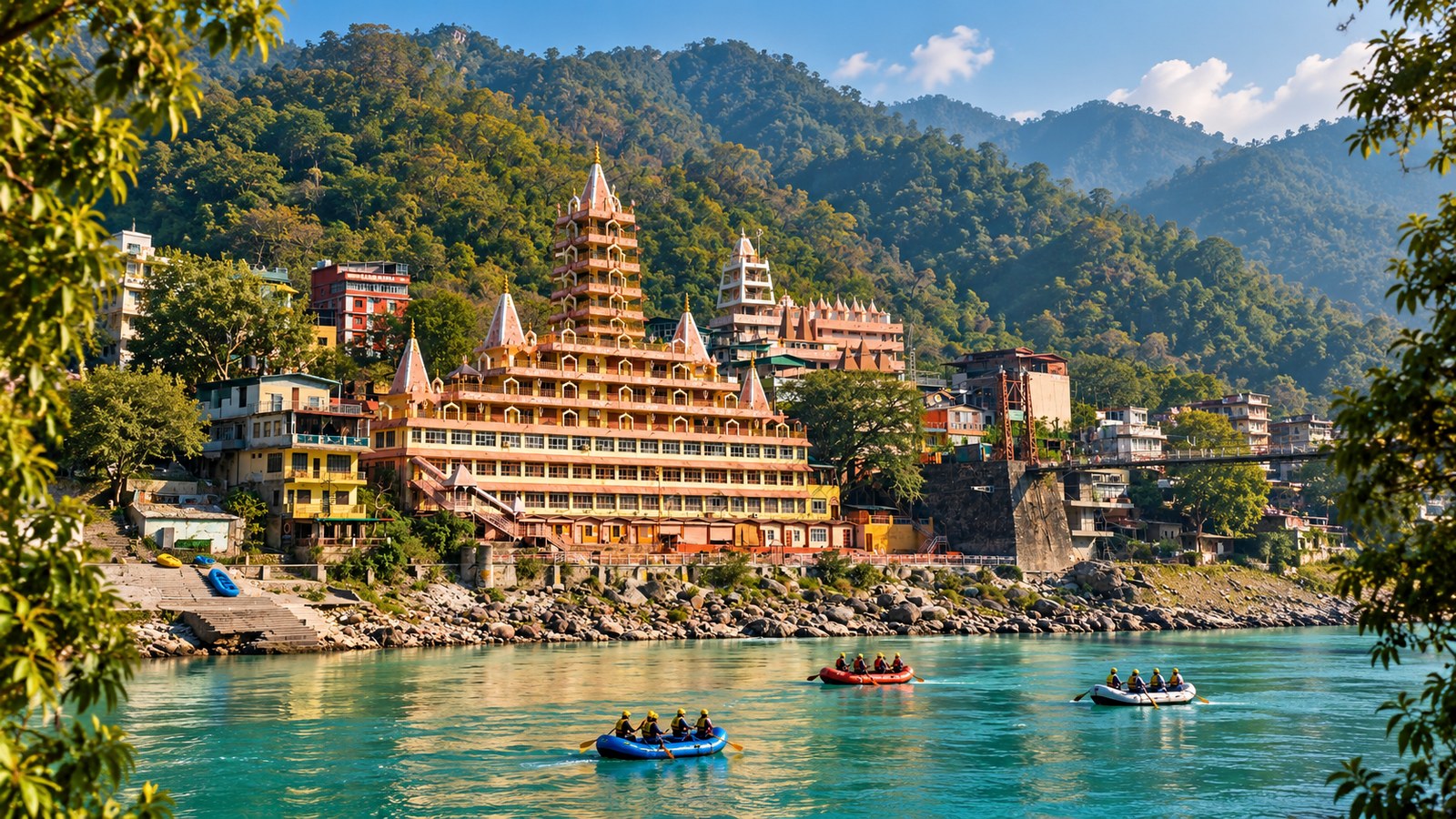
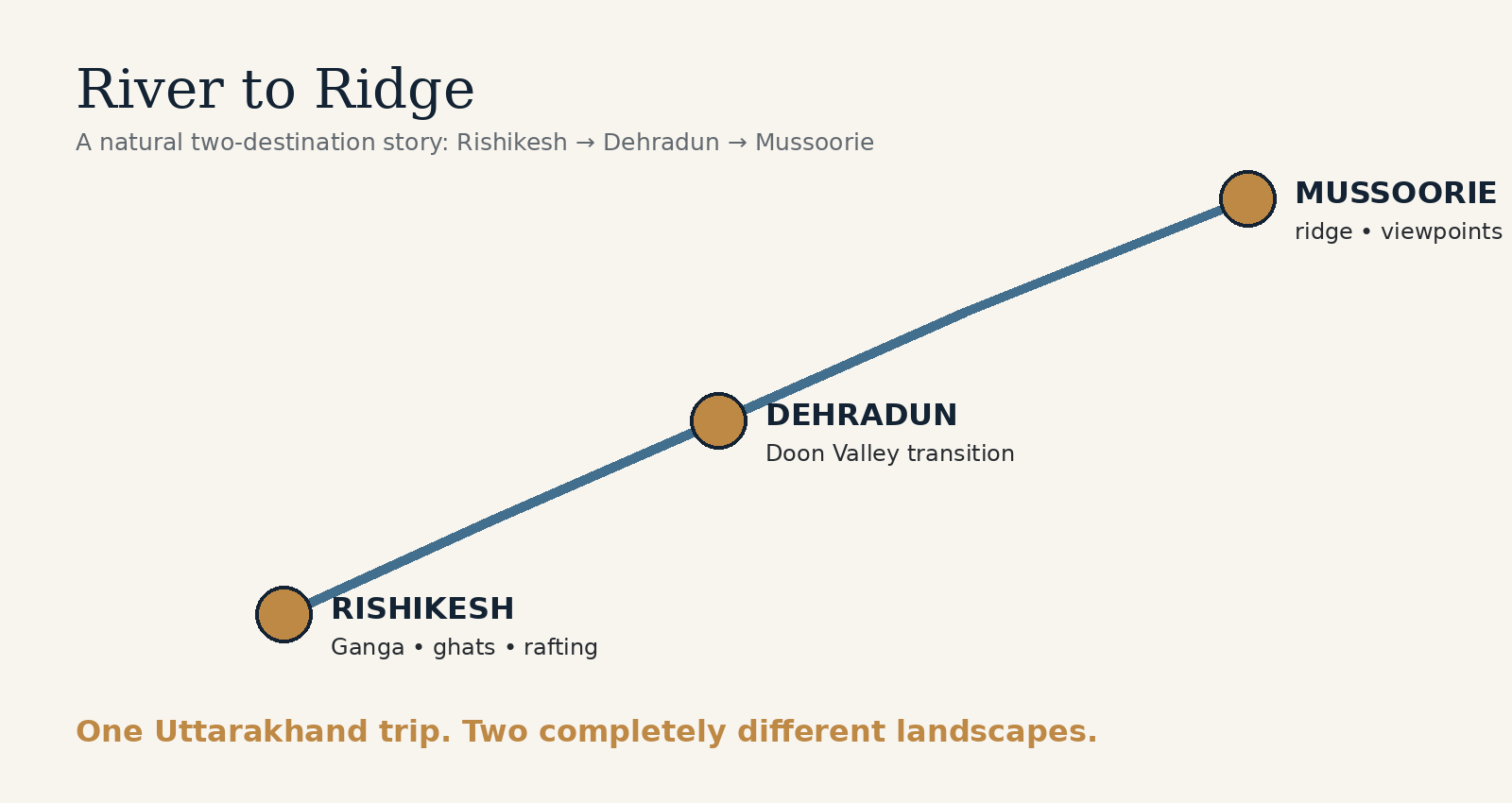
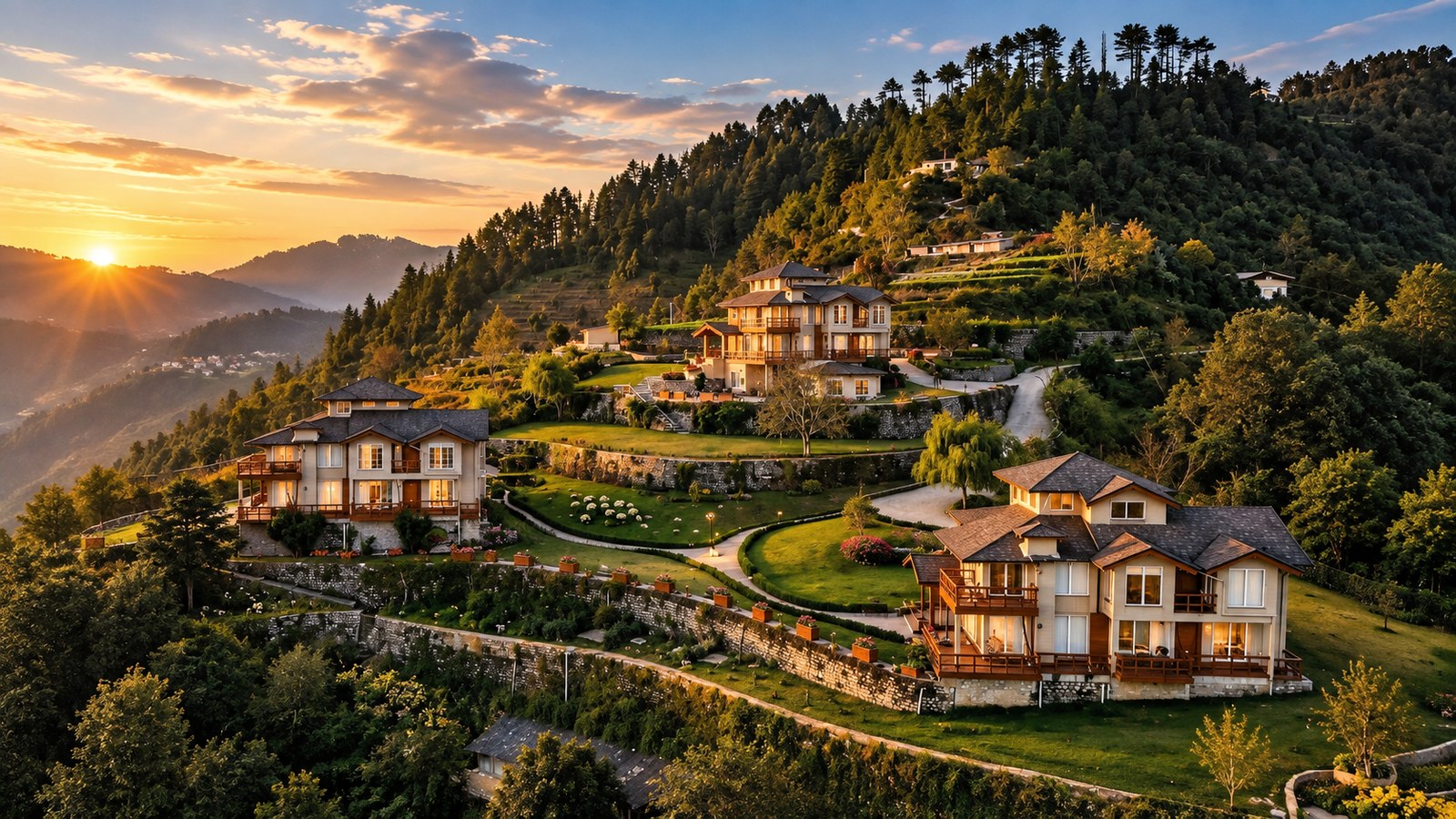
That contrast makes the combination work. Rishikesh gives the itinerary water, movement, spirituality and adventure. Mussoorie gives it elevation, walking streets, viewpoints and a slower hill-station mood. They should not be presented as interchangeable destinations; they are useful together precisely because they feel different.

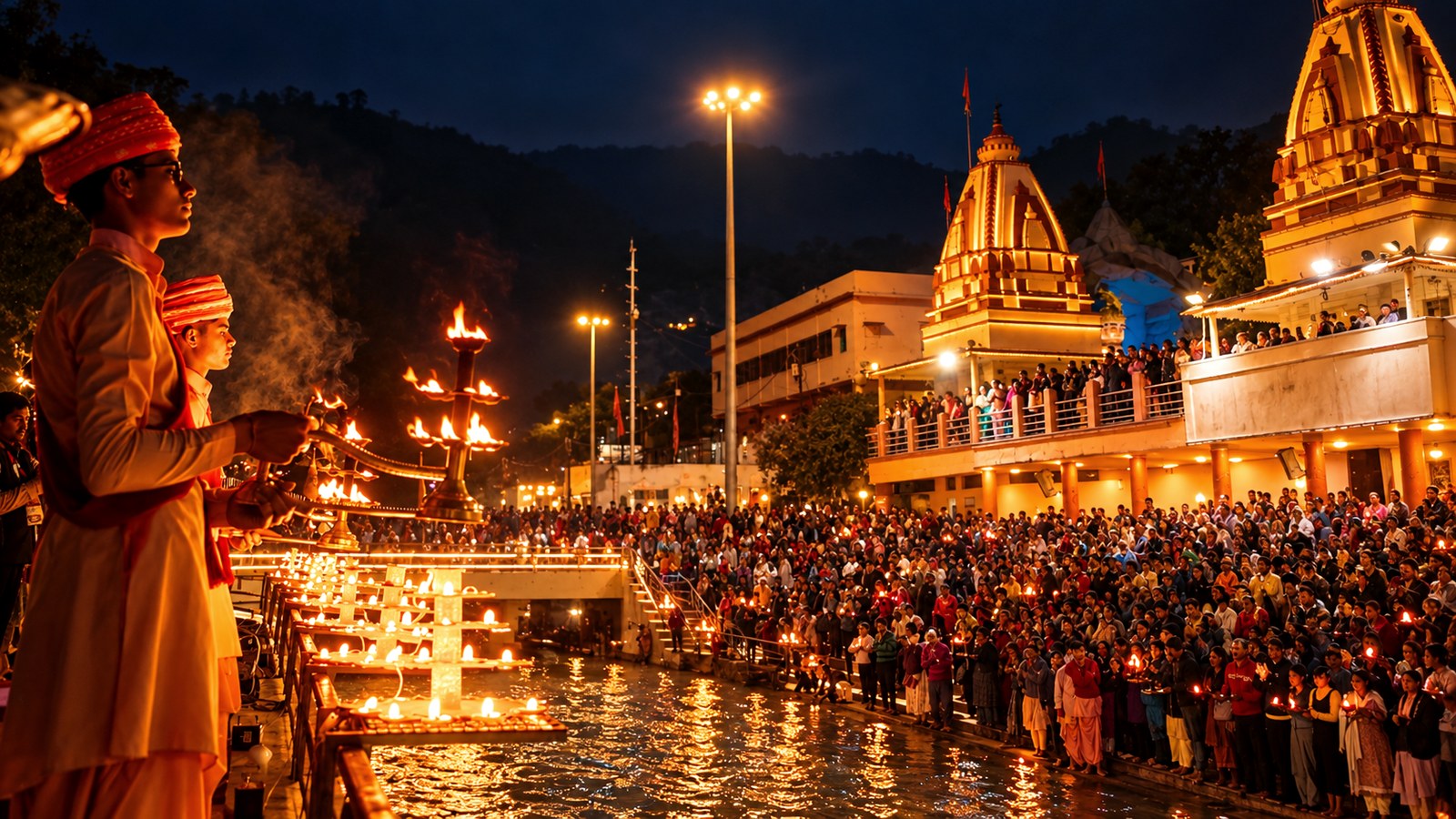
Choose Auli when you want the journey itself to feel significant - long Garhwal roads, river confluences, Joshimath, high-altitude scenery, skiing or snow-season possibilities, and the sense of travelling deeper into the Himalaya.
Choose Mussoorie when your time is shorter, when you want an easier Delhi weekend, or when you want to combine the hills with Dehradun or Rishikesh without committing to a full high-Himalayan travel day.
If you have enough time, resist the temptation to stack too many places into the same itinerary. Uttarakhand becomes more rewarding when every destination is allowed to feel different.
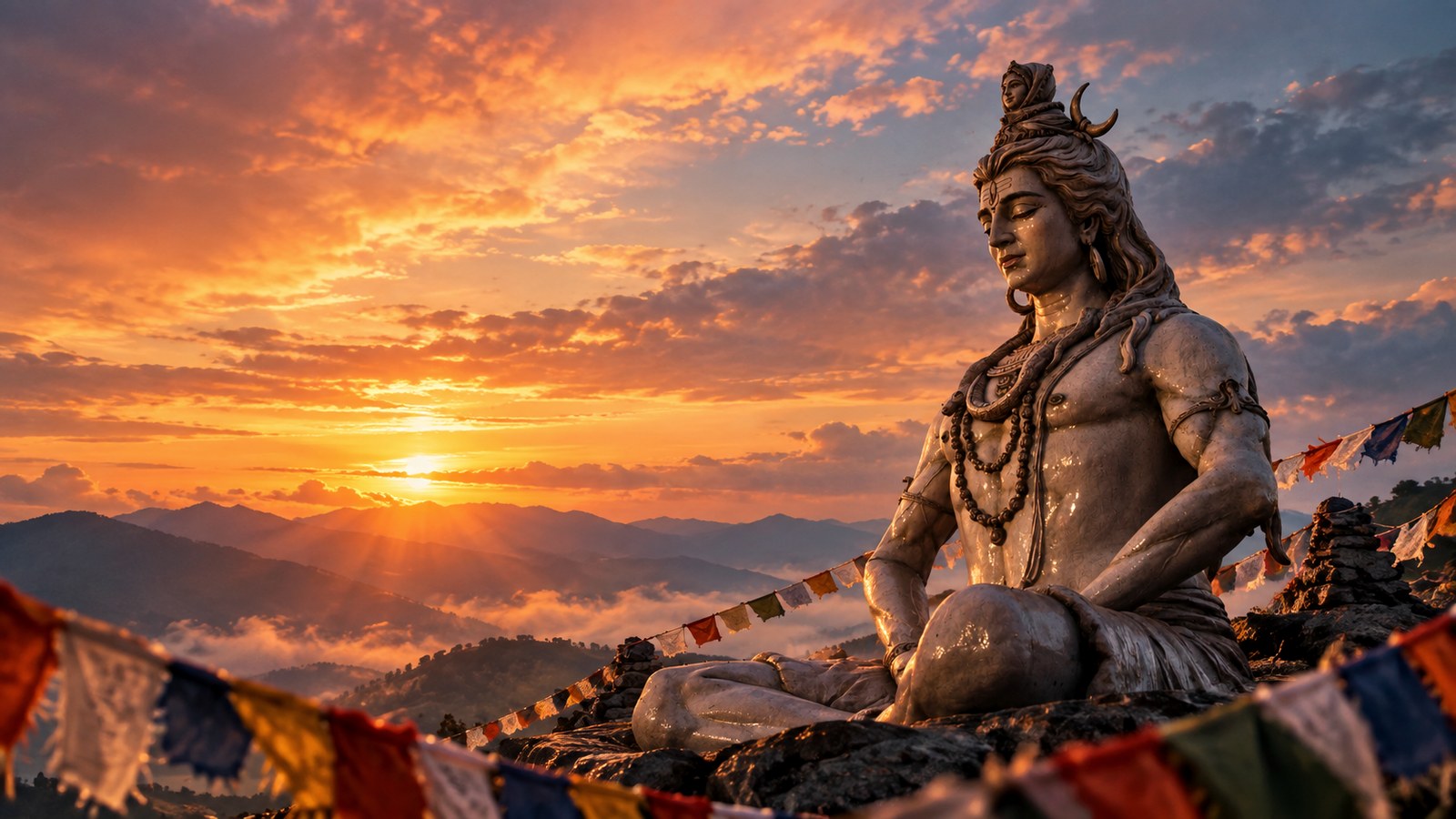
Navigation apps are essential for live movement, but a static route estimate cannot permanently account for hill traffic, rain, road work, snowfall, diversions or a sudden delay around a town. Use the distances in this article as planning ranges and check live conditions close to departure.
|
Choose the vehicle after knowing the people, luggage, route and season - not simply the cheapest rate. A couple travelling light may be comfortable in a sedan for suitable road conditions. Families often benefit from extra luggage and cabin space. Larger groups may need an MPV, SUV or Tempo Traveller. For winter Auli travel, current local road conditions and any seasonal requirements should be checked before departure.
This is a natural point for LN Tourism to help because the vehicle choice can be connected to the complete journey rather than treated as a separate booking.
Distance articles often treat every stop as lost time. On these routes, some stops are part of the travel experience. Devprayag can be a visual pause on the Auli road. Rudraprayag changes the river story. Joshimath marks the final major town before Auli. Dehradun can become a breakfast or coffee stop before the climb to Mussoorie. The useful question is not always “How quickly can we cover the distance?” Sometimes it is “Which part of the distance is worth remembering?”
At LN Tourism, the useful part is not simply moving a traveller from one pin on a map to another. It is organising what sits between those pins: the route, vehicle, halt, hotel, timing, destination experience and onward journey.
|
Plan the road side of your trip
For planning, expect roughly 500 km, depending on your Delhi starting point and chosen route. Because the second half includes extended mountain driving, the trip usually needs a full travel day and may be more comfortable with a planned halt for some travellers.
A practical road window is commonly around 13–15 hours including reasonable breaks, but live traffic, weather and hill-road conditions can change the total.
The common road distance is about 290 km. Many travellers plan around 6–8 hours depending on NCR traffic, stops, Dehradun congestion and the final hill ascent.
Roughly 290 km by road is a useful planning estimate. Uttarakhand Tourism lists Dehradun to Joshimath at about 275 km and 9–10 hours; the final Auli connection comes after Joshimath.
Roughly 75–80 km via Dehradun. A practical planning window is around 2–3 hours depending on traffic and the climb to Mussoorie.
Yes. They combine naturally because the distance is relatively short and the experiences are very different. Give each destination enough time rather than turning the combination into a rushed transfer.
It depends on the travellers and departure time. Families, senior travellers, young children and travellers who prefer a relaxed pace may find a split journey significantly more comfortable.
The choice depends on trip length and travel style. Mussoorie usually suits a shorter hill break; Auli involves a much longer mountain journey and benefits from more time.
Loading comments...


