Yes, Manali in November can be worth going to, but do not book it on the promise of snow in town. A cold mountain break with deodar walks, the Beas valley and a flexible high-area day is a reasonable aim. If touching settled snow is the point of the trip, make your dates movable. A later departure may change the conditions, but it cannot guarantee snow or an open road.
A useful test before you pay: if the snow scene in the package photograph disappeared, would you still want these nights away?
Your answer tells you which trip to buy.
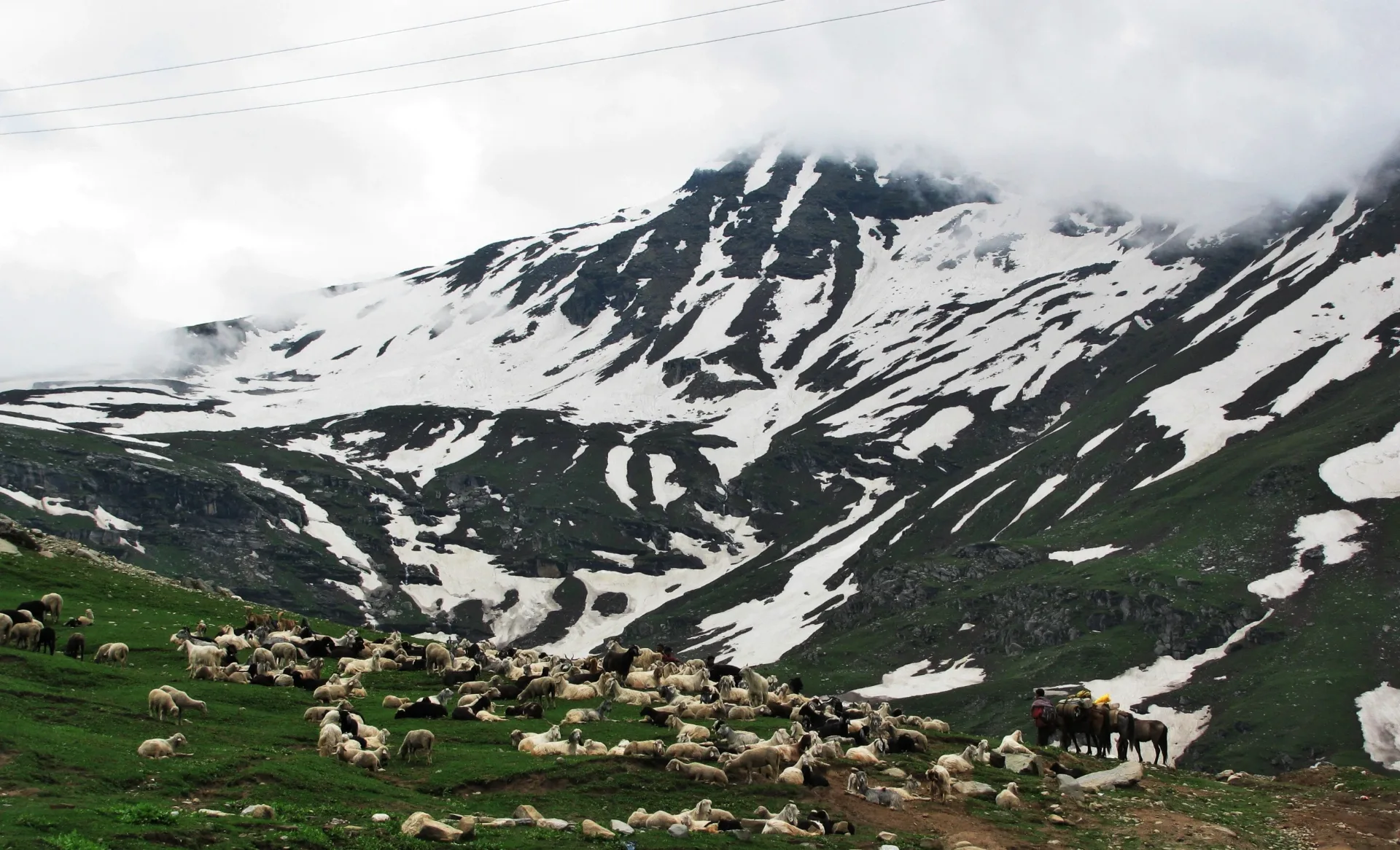
What does November actually give you?
November sits between the familiar autumn trip and the deeper winter image many travellers have in mind. The weather in Manali in November can feel bright in the day and cold after sunset, yet one week can differ from the next. A historical monthly average is useful for packing layers; it is not a forecast for your hotel dates. Use the short-range forecast and district warnings from the India Meteorological Department closer to departure. [IMD Shimla: https://mausam.imd.gov.in/shimla/]
There is also a geography problem hiding in the phrase “snow in Manali.” Manali town, Solang Valley, the road towards Rohtang and the Sissu side of the Atal Tunnel are different places with different heights, conditions and access rules. A white ridge in the distance does not mean there is snow where a visitor can safely walk. A photograph from January or March cannot prove what late November 2026 will look like.
For a useful picture of the town, Solang and surrounding excursions, see the [LN Manali destination guide: https://www.lntourism.com/destinations/manali].
It is a place guide; it is not a live road or snowfall bulletin.
Would you enjoy Manali without snow?
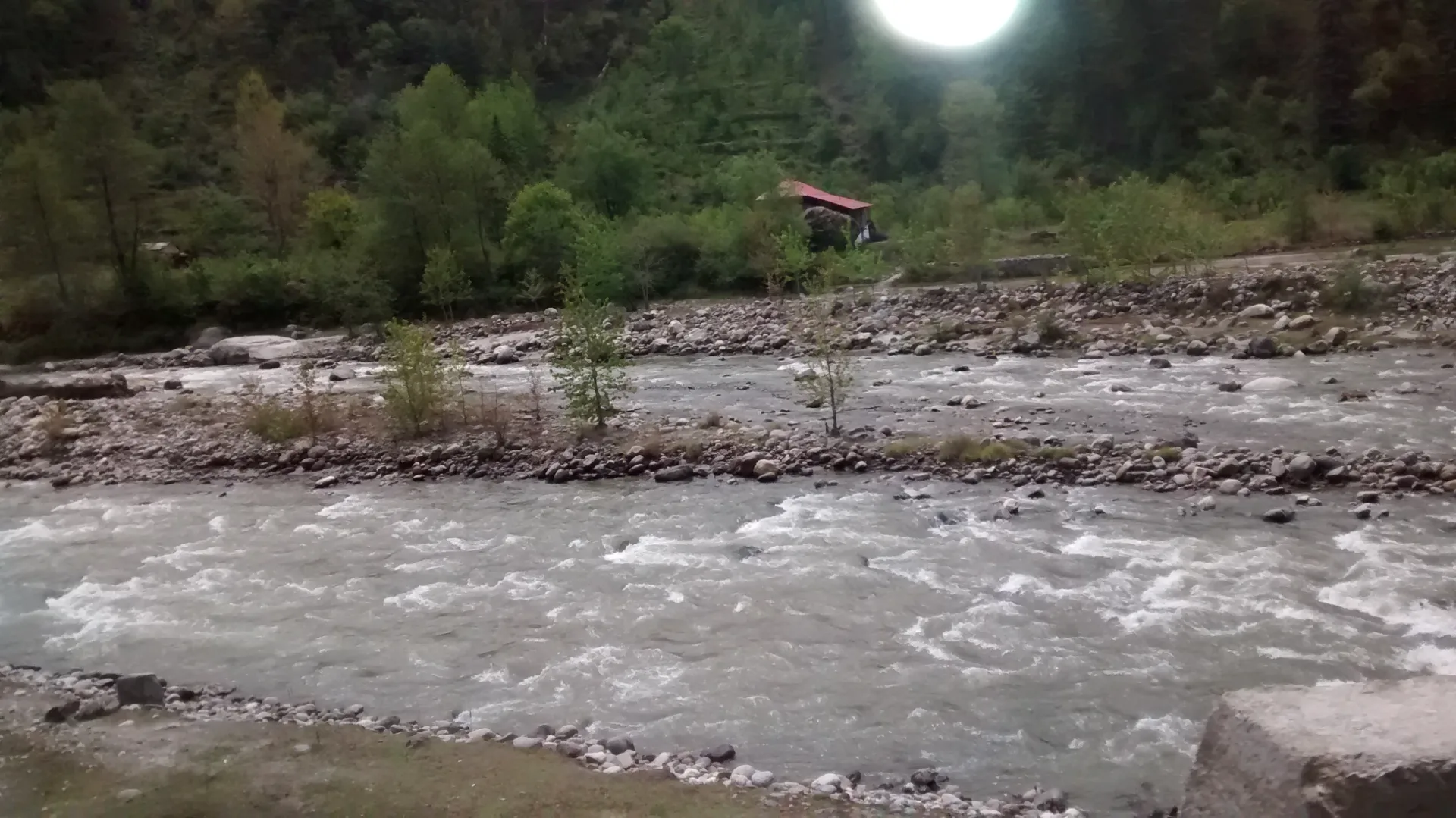
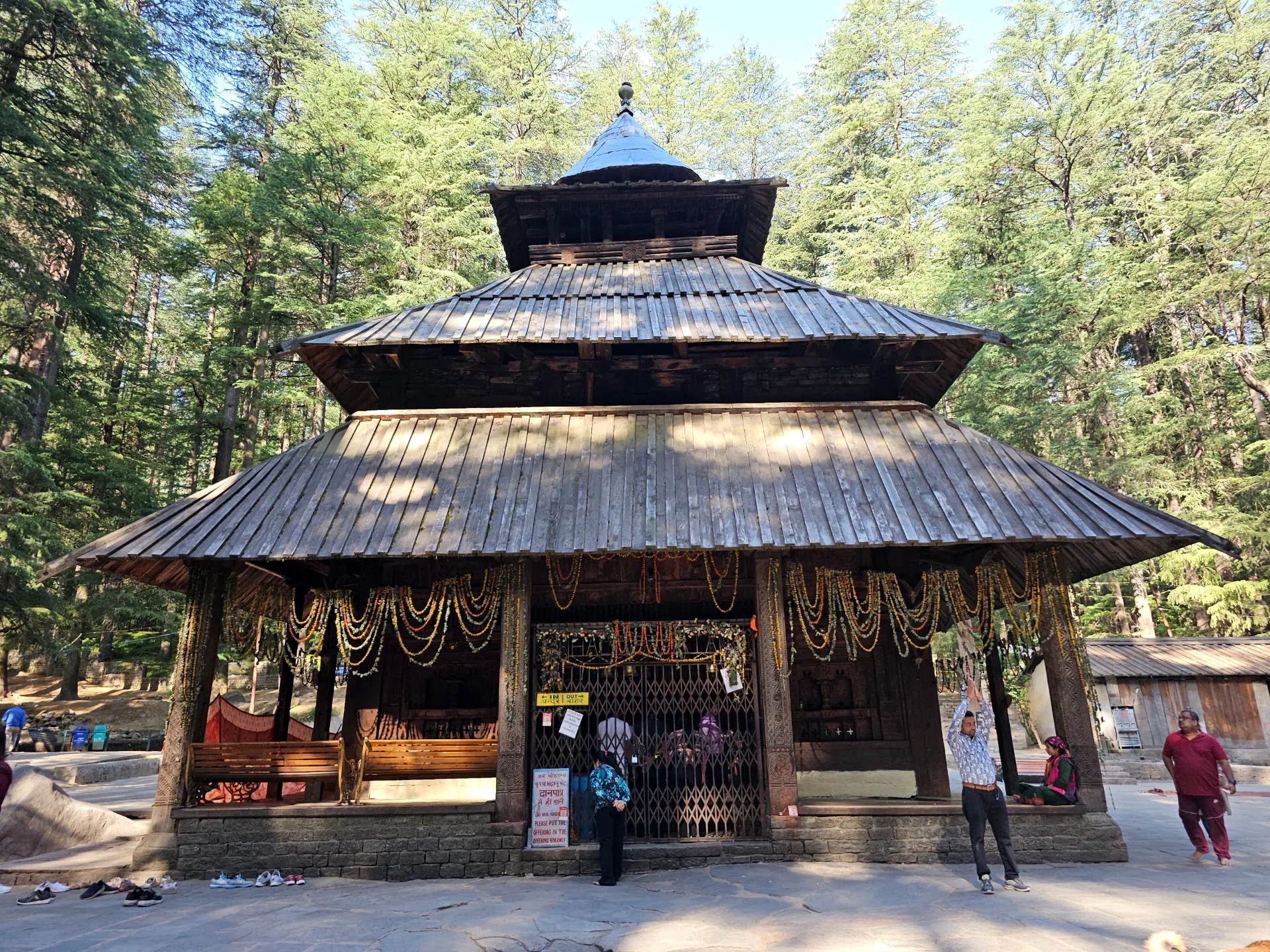
Choose the November trip if your good day sounds like a slow breakfast, a walk among the trees at Dhungri, time by the Beas, a café afternoon and one excursion that can change with the weather. Hidimba Devi Temple and the town’s surrounding walks give the trip a centre even when the higher slopes are brown or the roads are limited. Himachal Tourism identifies these as Manali-area attractions. [Himachal Tourism: https://himachaltourism.gov.in/destination/manali/]
That kind of trip benefits from fewer commitments. Book a hotel you would enjoy returning to early, especially when daylight feels short and evenings are cold. Ask where it is, whether your room has the heating you expect, how hot water works and how far the pickup point is from the property. “Manali hotel” can describe very different localities. A good room and an unhurried second day matter more than squeezing in another distant stop.
Now imagine the opposite answer: you would feel disappointed if you reached Manali and could not play in snow. In that case, do not let a salesperson translate “mountain views” into “snow experience.” Ask for a snow-first option at later dates, compare the disruption risk, and keep the booking flexible where possible. Even in winter, a particular snowfall, road opening or activity session is not a promise.
Does the end of November solve the snow question?
Manali in November end may feel closer to winter, but “later” is a calendar description, not a weather forecast. The location of any snowfall matters as much as the date. You could see snow on higher ridges while town remains dry; snow on a route could also restrict the journey you hoped to make. Make the decision using a current forecast and a confirmed route, not the month name alone.
If you only have one fixed late-November weekend, book for the hotel, scenery and accessible local plan. Treat a higher-area excursion as a conditional bonus. If snow underfoot is the non-negotiable outcome, shift the trip instead of buying an itinerary whose main promise the operator cannot control.
Which high-area day can you responsibly plan?
Solang is a possible excursion from Manali; Himachal Tourism lists it about 13 kilometres from town. That distance says nothing about the snow surface or whether a particular activity will run. Ask what the vehicle can reach on your date and what the operator will do if conditions change. [Himachal Tourism: https://himachaltourism.gov.in/destination/manali/]
The Atal Tunnel route toward Sissu is a different excursion from a Rohtang Pass visit. Do not let the two appear as one interchangeable “snow point” in a quote. Ask which route is proposed, where the vehicle may actually stop, whether a local vehicle is required, and who pays if access changes. A clear itinerary names the destination and the fallback, not just “snow sightseeing.”
Rohtang needs the most care. The Kullu district directs visitors to the Rohtang permit system, but permission and physical road access are separate questions. November closures or restrictions can change with conditions and local orders. Do not prepay for a promised Rohtang visit unless the permitted vehicle, date, route and current access have all been checked. [Kullu district permit information: https://hpkullu.nic.in/service/rohtang-permit/]
A three-night plan that still works without snow
This is a sample shape, not a package promise. On arrival day, check in and stay near your base. Take a short town or riverside walk if your travel has left enough daylight. The point is to recover from the journey before the mountain day, not to race the hotel clock.
Use the first full day for the Manali you can reach in ordinary conditions: Hidimba Devi Temple, time in Dhungri, and a relaxed town or Old Manali stretch if appropriate for your group.
Choose a comfortable pace for children or older travellers.
Check current local entry arrangements rather than assuming every site has the same hours throughout the year.
Keep the second full day as the conditional excursion.
If weather, road and operator checks support it, choose a specific northbound route such as Solang or the tunnel-side plan.
If they do not, use that day for another local walk, a slower café stop, or a different accessible outing agreed with the driver. The value of the trip should survive this substitution.
On the departure day, leave realistic time for checkout and the return leg. An overnight bus or a long hill drive is not a free sightseeing day. Write down arrival time, hotel check-in, departure time and actual nights before comparing package prices.
Should you buy Manali only or add Shimla?
This is mainly a time-budget question. The [Delhi Manali package: https://www.lntourism.com/packages/manali-tour-package-from-delhi] currently describes two hotel nights in Prini, two overnight bus journeys, local sightseeing, a Solang-Atal Tunnel-Sissu day, and a Kullu-Kasol-Manikaran return segment. That may suit someone who accepts a packed route and bus travel. It is not four Manali hotel nights. Treat every excursion as subject to dated confirmation.
The [Chandigarh Shimla–Manali package: https://www.lntourism.com/packages/shimla-manali-tour-package-5-days-4-nights] is a different choice: two nights in Shimla and two in Manali across five days, with a private road route as quoted. It offers two hill-town settings, but more transfers and no extra Manali night. If your aim is a quiet November Manali stay, ask whether a one-base plan uses your time better.
For a private pickup from Delhi, Chandigarh or Dehradun, LN also describes a broader Himachal tour service. That public description does not confirm the vehicle, hotel or price for your dates. Decide first whether you want a bus-inclusive set route or a private road quote, then compare the actual inclusions in writing.
What should be checked before you pay?
Give the planner your dates, pickup and drop points, number of nights, group size and whether snow is a preference or the condition for travelling. This stops an attractive but irrelevant itinerary from becoming your default.
Weather and road: check the latest IMD Shimla warning and the relevant Kullu district traffic or permit notice close to departure. Ask who will monitor changes on travel day.
Route and vehicle: get the exact excursion named, its reporting or pickup point, vehicle type, any local-transport substitution, and what happens when access is restricted.
Stay: confirm property, locality, room category, heating and hot water, meal plan, check-in timing and the final approach road.
Activities: get the operating provider, safety conditions, extra cost and cancellation treatment in writing. A listed activity is not proof it will run.
Money: ask for a dated itemised quote showing transport, hotel, meals, tolls, permit or activity fees, exclusions, payment schedule and the refund rule if the high-area day changes.
These checks belong before the advance, especially when your travel dates are fixed. If a route is closed, a truthful replacement may be a town day, another open excursion or a date change. It should not be an invented snow guarantee.
Make the booking match the reason you are going
Want a mountain break that will still feel good without snow? Send your November dates, pickup city, nights and group size, and ask LN Tourism for a written Manali quote with one flexible high-area day. If snow underfoot is the whole point, say that first and compare later dates before paying. Contact: +91 88588-73018. No permit, snow condition or activity is confirmed until the written plan and current official checks say so.


