
Back to Guide
Chopta Valley for a Break That Does Not Need a Checklist
HARSHIT JAISWALSeptember 28, 2026 6 min read
Chopta is a road-accessible mountain base for Tungnath and Chandrashila, but a summit is only one way to spend the trip. Use this guide to choose a slower valley break, a temple walk or a longer climb according to season and conditions.
The trip starts to feel different before the climb. You arrive in the Chopta area, put your bag down and realise there is nothing urgent to do for the next hour. A patch of meadow, a line of trees, changing light on the hills: that can be the plan. For someone whose weeks are crowded with traffic, screens and appointments, the appeal is simple. There is room to pay attention again.
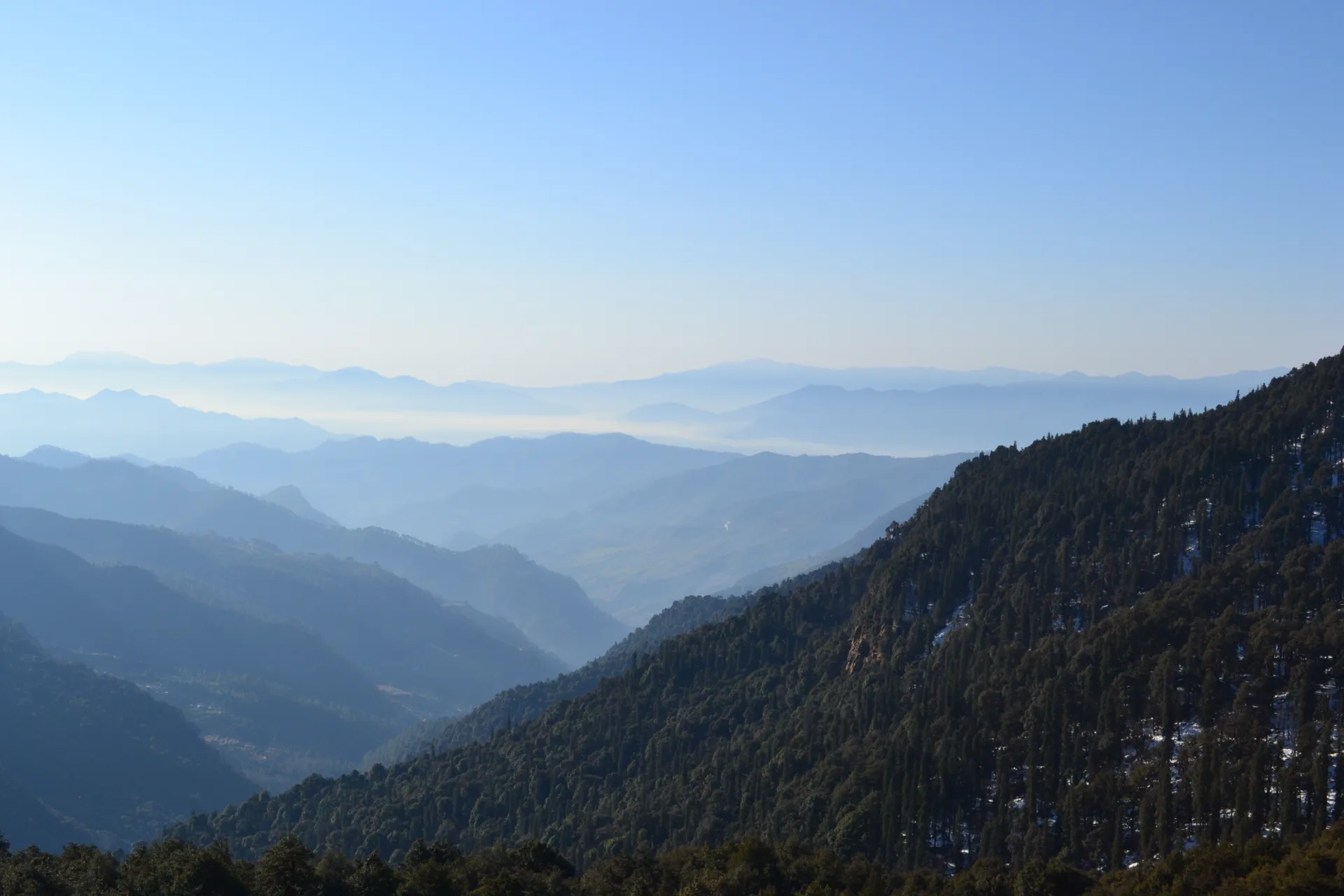
Chopta valley is a mountain area in Uttarakhand's Garhwal region and the road-accessible base for the walk to Tungnath and Chandrashila. Uttarakhand Tourism describes Chopta at about 2,608 metres, with meadows, forest and birdwatching alongside the trekking route. You can come for the landscape and still have a complete trip without reaching the summit. If you do want to climb, choose how far to go according to conditions and your own energy.
The first evening earns its place
Mountain trips often get planned backwards from the most shareable frame. In Chopta, that can rush away the part you came for. Arrive with enough daylight to settle in, walk only where local access allows, and look at the place before making tomorrow's plans.
You might notice the tree line first. Then the different sounds: wind in the leaves, people speaking from a distance, perhaps birds if you pause long enough. Uttarakhand Tourism identifies Chopta and nearby Dugalbitta, Mandal and the Tungnath route as birdwatching areas. Stay on permitted paths and leave the meadow as you found it.
This is the quieter version of Chopta that gets lost when every itinerary begins at the summit. It is a real destination with visitors, vehicles and changing weather, so do not expect private silence. An early arrival gives you more time between the busy moments.
Three ways to spend the next morning
Decide what kind of day you want and what is sensible in today's conditions. The three versions below start from the same area.
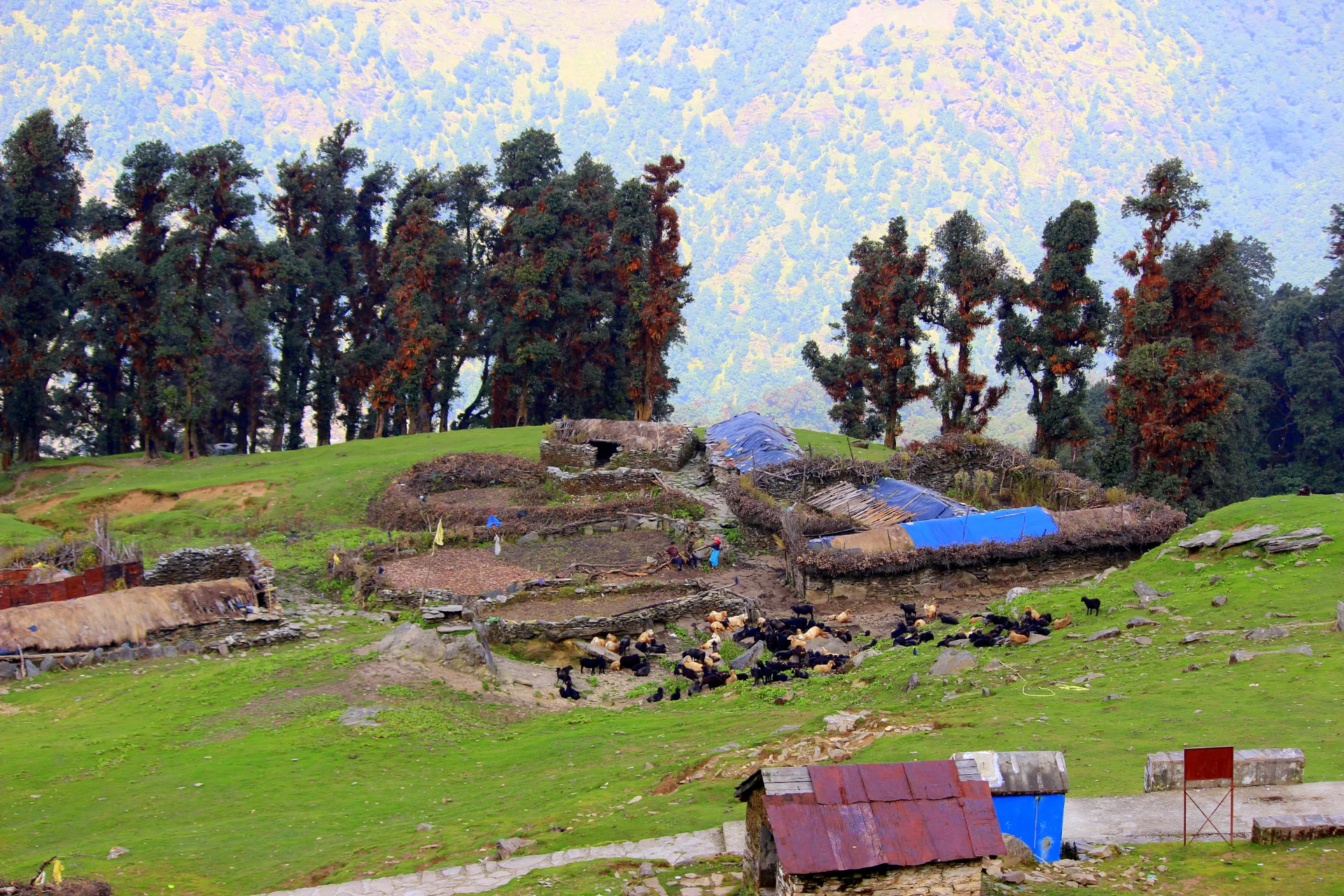
· Stay close to Chopta. Keep time for a gentle local walk, views and an unhurried meal. This suits a mixed-ability group, someone travelling for rest, or a day when the higher trail is a poor choice. Confirm which paths are open locally; a meadow is not an invitation to wander anywhere.
· Walk to Tungnath. The route gives the day a clear destination and a gradual shift from forested slopes to more open terrain. Uttarakhand Tourism places the temple roughly 3.5 kilometres from Chopta, though the exact distance depends on the starting point. Leave enough time to descend in daylight.
· Continue to Chandrashila. From Tungnath, the summit is about another 1.5 kilometres on a steeper path. This is for travellers comfortable with a longer uphill-and-downhill day at altitude and only when the trail and weather are suitable. A summit is an option, not a test of whether the holiday counted.
The Tungnath walk can end at a place of worship; the Chandrashila trek adds a demanding climb. Neither needs to be squeezed into a photo schedule.
Tungnath changes the meaning of the walk
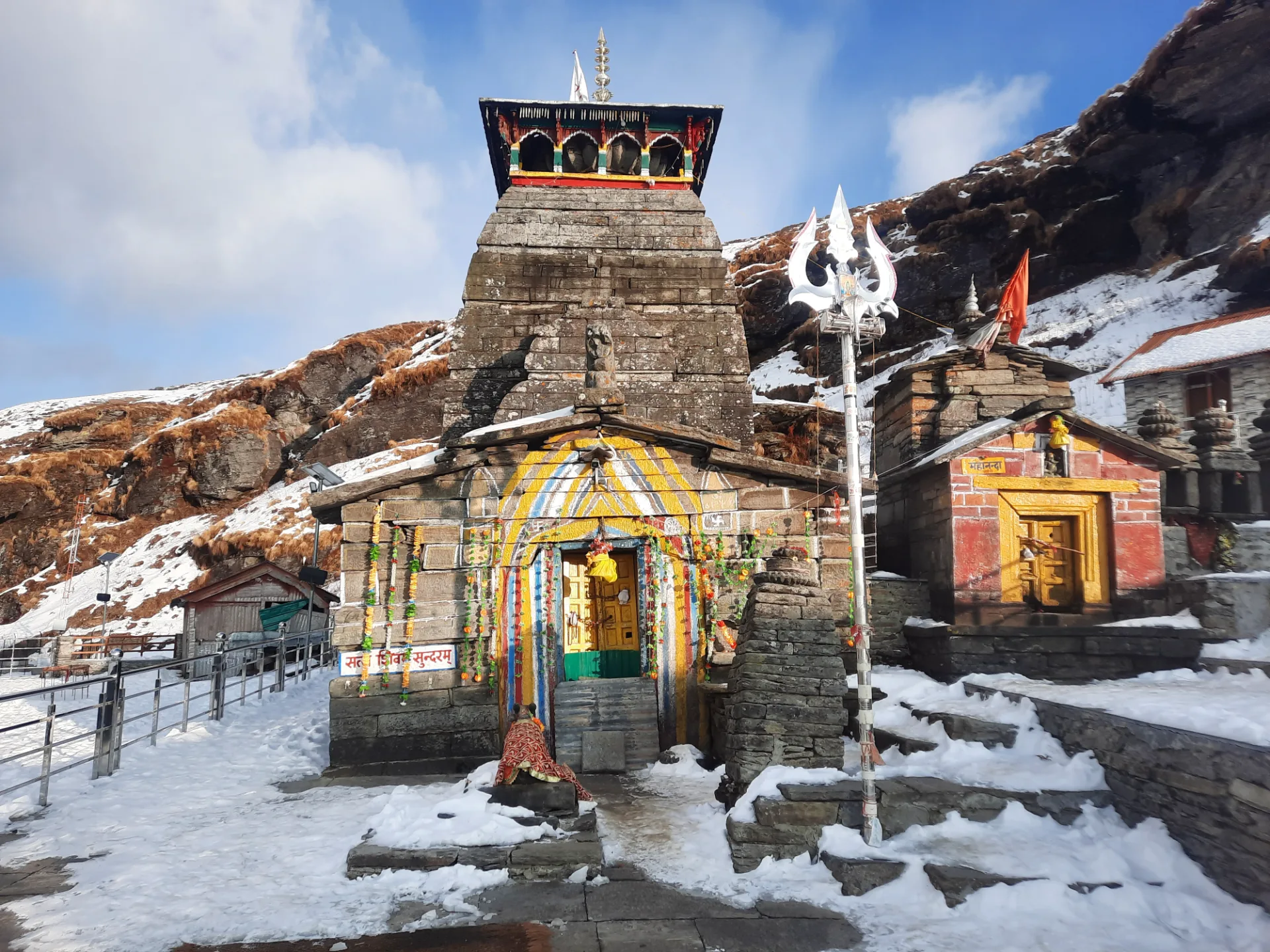
The approach to Tungnath is physical, yet the temple is more than a checkpoint on the way to a viewpoint. It is a Shiva shrine associated with the Panch Kedar tradition. Travellers going for darshan should give the space the respect they would give any active place of worship. Travellers going for the landscape should remember that other people on the path may be there for religious reasons.
Temple access and worship follow a seasonal cycle. The temple committee identifies Makkumath as the place of winter worship. A snowy photograph does not prove Tungnath is open for darshan when you travel. Confirm its current status before fixing a date around worship.
The part after Tungnath asks for a new decision
At Tungnath, stop before deciding whether to continue. The final section toward Chandrashila is steeper and more exposed. Uttarakhand Tourism's trek description warns that snow can bury the trail in winter. Visibility, wind, wet ground, daylight and the group's pace matter more than an itinerary line saying “summit.”
There is no shame in turning around. Reaching the temple, taking a break and descending safely may be exactly the right day. If the trail is clear, the group feels strong and conditions allow, Chandrashila adds a wider mountain view. On a clouded day the same effort may end in mist. The view is a possibility, never an inclusion a travel company can guarantee.
For a first trip, treat the whole outing as a mountain walk, not a city stroll with a staircase at the end. Wear shoes that grip, carry water and a warm layer, and start early enough for an unhurried return. If you have a health condition affected by exertion or altitude, seek medical advice before committing to the climb.
Pick the season before the photograph
The photo that made you save Chopta may show a different month from the one you plan to travel in. Late spring can bring a green meadow feel. Autumn often appeals to people who want cooler walking conditions after the rains, though clear views still depend on the day. Winter can bring snow and a very different level of effort; it should not be sold as an ordinary temple walk. During monsoon, rain can change road and trail plans quickly.
Choose the experience first. If you want a soft break with time outdoors, ask about conditions and road access for a spring or autumn trip. If snow is the point, ask what the route actually allows and what equipment or local guidance is needed. Never use a historic image as a forecast. For any season, recheck the weather, road position and trail advice close to departure.
Leave one day with room to change
A practical short break can be as simple as an arrival day, one day shaped around your chosen level of walking and a return day. The road journey itself takes time, and mountain driving does not run on a city timetable. Build in daylight, meals and a little spare time; do not load the first evening with a second destination just because a map makes it look close.
If you are travelling with friends, agree on the plan before the trail begins. One person may have come to sit with a view; another may have trained for Chandrashila. Choose a shared turnaround time and a sensible meeting plan. If conditions change, the plan changes. That flexibility is one of the best reasons to arrange the transport and stay as one trip instead of treating them as separate tasks on a mountain road.
Chopta rewards a curious traveller more than a rushed one. Make space for the meadow, let Tungnath have its own meaning, and decide on the summit only when you are there. The trip feels fuller when every part does not have to become a milestone.
If this sounds like your kind of break, explore the Chopta–Tungnath–Chandrashila trip and share your dates, starting city and preferred pace. Ask for the exact stay and walking plan before confirming.


