Back to Guide
Triyuginarayan Temple: The Fire and a First Visit
LN Tourism PublicationNovember 19, 2026 6 min read
Facts checked on 19 November 2026 by LN Tourism Publication
Triyuginarayan is a Vishnu temple in Rudraprayag linked by tradition to Shiva and Parvati’s wedding. Here is what the fire means, what visitors can see and what to check before the journey.
The photographs often start with a couple beside the sacred fire. The more useful question for a traveller is what they will find when the camera is put away.
Triyuginarayan Temple is a Vishnu shrine in Rudraprayag district, Uttarakhand. Local tradition identifies the village with the wedding of Shiva and Parvati and connects the fire before the temple to that ceremony. You can visit for worship and to understand the place without planning a wedding. The practical choice is whether the road, season and time available make this a considered temple visit rather than a rushed add-on.
Sources: https://rudraprayag.gov.in/temples/ and https://www.incredibleindia.gov.in/en/uttarakhand/kedarnath/triyuginarayan-temple
The wedding story brings you here. What is the temple itself?
The district government describes Triyuginarayan as a temple dedicated to Lord Vishnu. That detail is easy to miss when a wedding photograph is the first introduction. The story of Shiva and Parvati belongs to the temple’s religious tradition; it explains why the place matters to many couples and pilgrims. It does not change the deity to whom the shrine is dedicated. https://rudraprayag.gov.in/temples/
The name helps hold those ideas together. Narayan is a name of Vishnu. The village is associated with a fire that devotees believe has endured across three yugas, or ages. The district source presents that continuity as belief. A visitor can respect the tradition without treating an ancient date as a fact that has been historically measured.
This is also a living place of worship. A wedding-focused image captures one use of the setting, but it leaves out ordinary pilgrims arriving for darshan, the shrine itself, the courtyard and the water features described by the local administration. The visit has meaning even when no ceremony is taking place.
What does the Akhand Dhuni mean?
The Akhand Dhuni is the sacred fire associated with Shiva and Parvati’s marriage. In the district account, the wedding fire was lit in a four-cornered havan kund and devotees continue to offer wood. Incredible India also describes the fire as a continuing object of devotion.
The simple way to approach it is to look before doing anything. Find out locally where visitors may stand, whether an offering is accepted that day, and whether a priest needs to guide a ritual. Do not assume an ash ritual, photography position or wedding arrangement from a travel video. The fire is a sacred focus of worship, and the courtyard is shared with people who are there to pray.
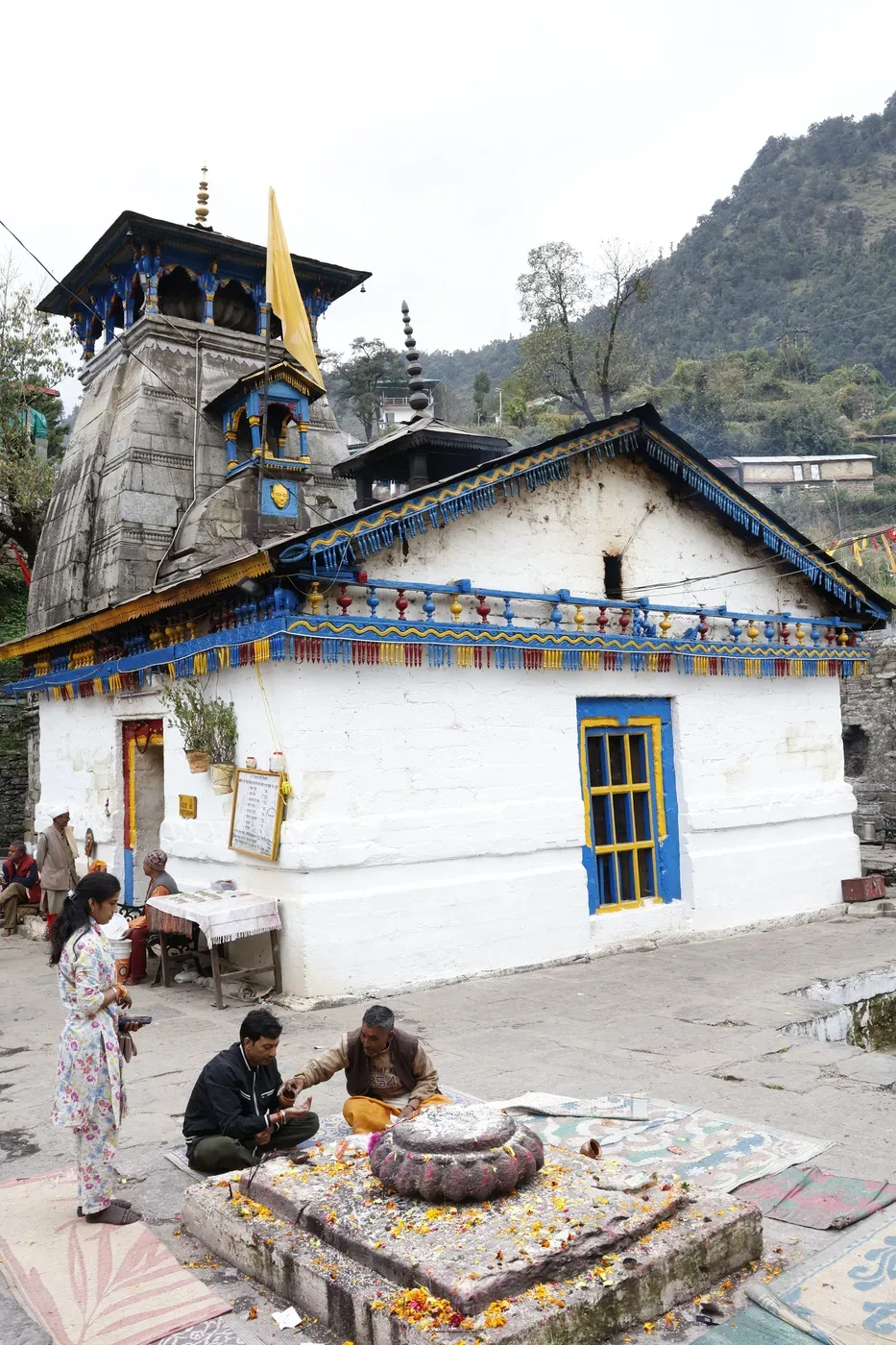
What will you actually see when you arrive?
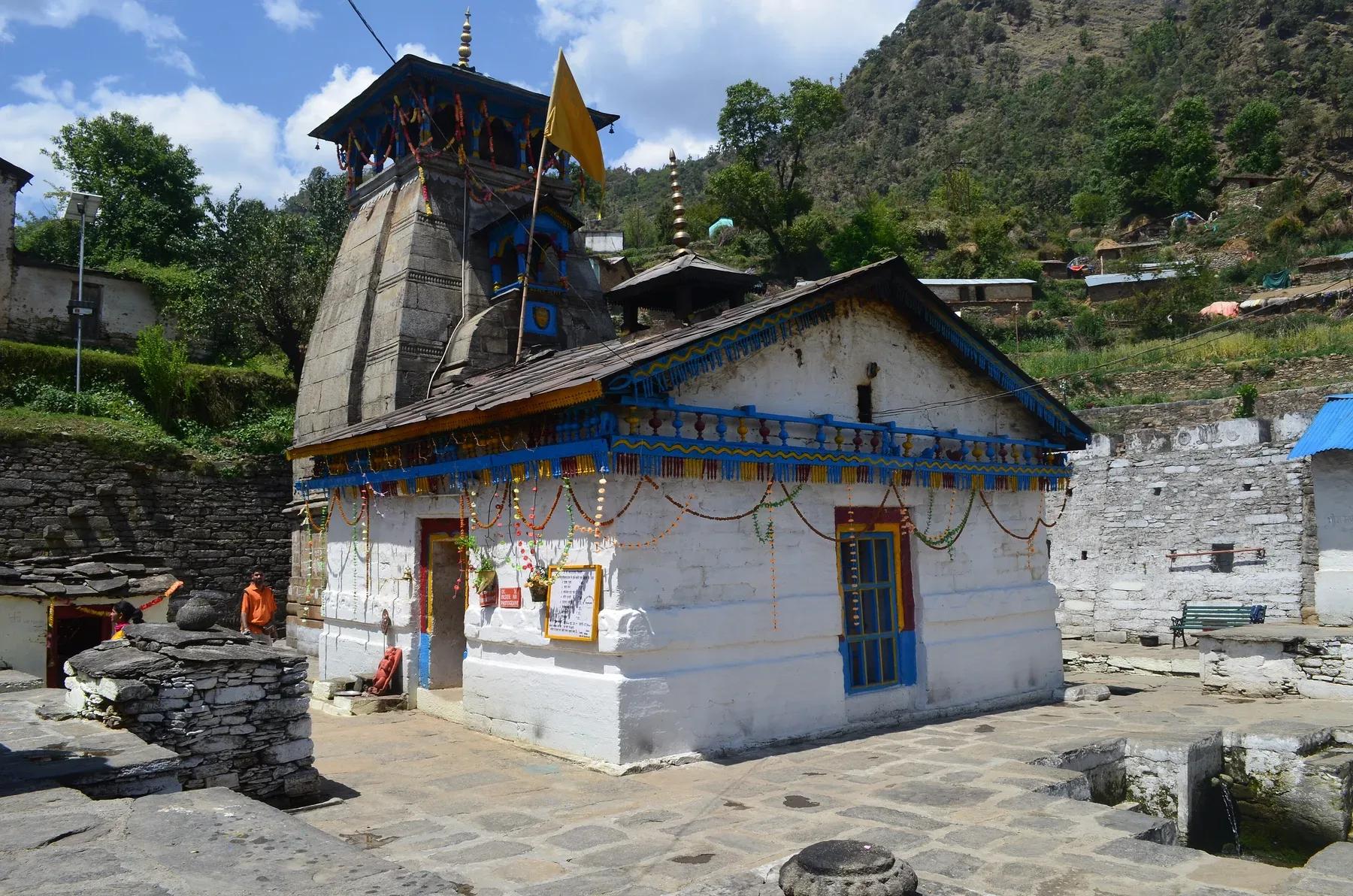
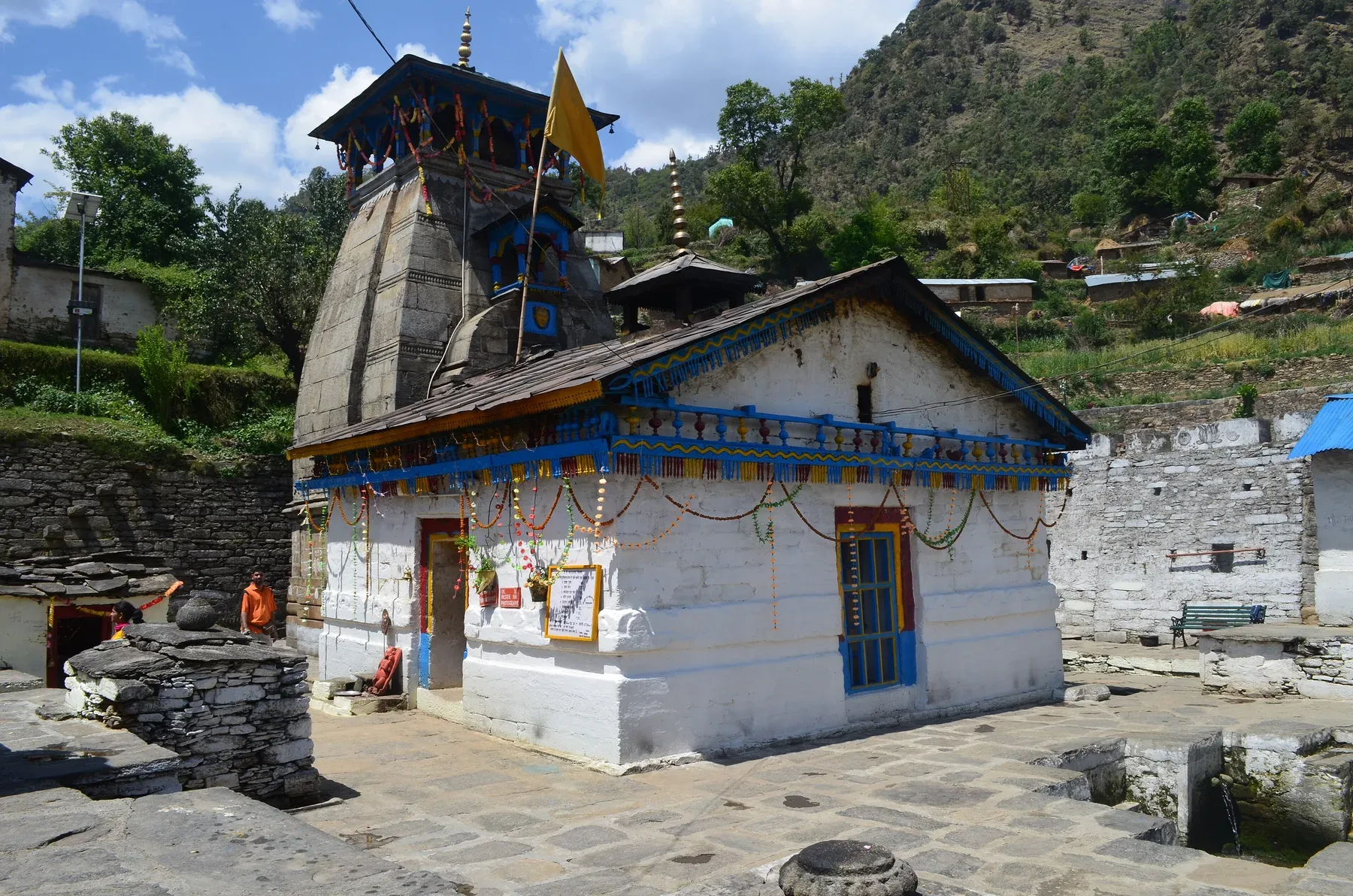
The stone temple is the fixed point. In front of it is the courtyard space associated with the wedding tradition and the sacred fire. The district page also names Rudra Kund, Vishnu Kund and Brahma Kund, and says their water is connected with Saraswati Kund. Incredible India describes the shrine and the water features in its visitor account.
Give the place time. Enter with the pace of a worshipper rather than a photo shoot: ask about footwear, photography and offerings at the entrance, follow local directions, and leave room for other visitors. Anyone with limited mobility should ask in advance about the final approach, steps and a suitable vehicle drop point. I have not verified a step-free route, so it would be wrong to promise one.
A brief visit can answer the curiosity that brought you here. A longer one lets you notice the relationship between the shrine, fire and kunds, which is the story the images rarely tell in one frame. Neither option needs a staged experience or an invented “secret” spot.
Can you visit without getting married?
Yes. Rudraprayag district identifies Triyuginarayan as an important pilgrimage centre, and the government tourism page presents it as a temple visit as well as a wedding destination. A couple can come for darshan, and a solo traveller or family can do the same. A ceremony is a separate matter with its own permissions and arrangements.
If your interest really is marriage at the temple, make a different list of questions: who authorises the ceremony, which dates and spaces may be used, what a priest provides, what a local stay can accommodate, and which civil registration steps apply. Confirm these directly before committing guests or paying for a package. Wedding articles that quote a single “cost” often mix temple arrangements, travel, rooms and photography into one number that cannot describe every family’s plan.
How does Triyuginarayan fit a Kedarnath journey?
Think of Sonprayag as the planning junction, not as proof that both temples fit in one hurried day. Triyuginarayan is a separate village visit off the Kedarnath corridor. The Kedarnath approach continues through Gaurikund and then involves a substantial uphill journey on foot for trekkers. LN’s own Kedarnath package lists Sonprayag, Gaurikund and Kedarnath as distinct stages; its stated 16 km trek is already a demanding part of a short itinerary. https://www.lntourism.com/packages/kedarnath-yatra
If your trip is mainly about Kedarnath darshan, protect the time and energy that the trek needs. Add Triyuginarayan only after your pickup, overnight base, current road access and return leg are clear. If your purpose is the Vishnu temple itself, plan it as the day’s main stop and let the Kedarnath corridor be context rather than an obligation.
This is where a route quote can help: it should name the start point, overnight place, vehicle route, time allowance and what happens if road conditions change. Check this service for you ultimate Triyuginarayan extension.
What changes for a November or winter visit?
The calendar alone does not tell you whether the final approach is comfortable or even open to your vehicle. Mountain roads and lodging can change with weather, maintenance and demand. Check the Uttarakhand Public Works Department road-closure portal for the relevant road, then confirm the last stretch and the stay with a current local contact before departure.
Start with daylight. Build room for a slower hill drive and avoid promising yourself a same-day return based on an ideal map estimate. Ask the driver about the exact destination road and where the vehicle can stop. Confirm your accommodation’s heating, hot water, meal timing and cancellation rules in writing. None of these is guaranteed by a pleasant photograph taken in another season.
If weather interrupts the approach, a good plan allows you to shift the temple visit, change the overnight stop, or keep the Kedarnath corridor portion only if that remains sensible. The right alternative depends on the actual road and your group, not a universal “best month.”
What should you confirm before you leave?
Check the current darshan hours and any festival-day change with a local temple contact. Ask whether photography, offerings and access to the kunds are permitted in the way you expect. Confirm road status for the final approach, vehicle drop point, accommodation and return time. If a traveller needs a low-step route, ask about the actual approach rather than a generic accessibility label.
For a Kedarnath-linked trip, put the visit in the correct order: confirmed base stay, temple stop if feasible, then the Gaurikund and trek plan on a day with enough time. The two places share a wider pilgrimage corridor, but they are separate experiences.
If Triyuginarayan is part of a wider Uttarakhand journey,Check LN Tourism Triyuginarayan destination page for wider understanding of this journey and importance. To ask about a separate Triyuginarayan stop, share dates, pickup city, travellers and preferred overnight base with LN at +91 88588-73018. Ask for a written route and stay check; an extension is not included unless the quote says so.